
What Responsible Dog Ownership Looks Like in Everyday Life
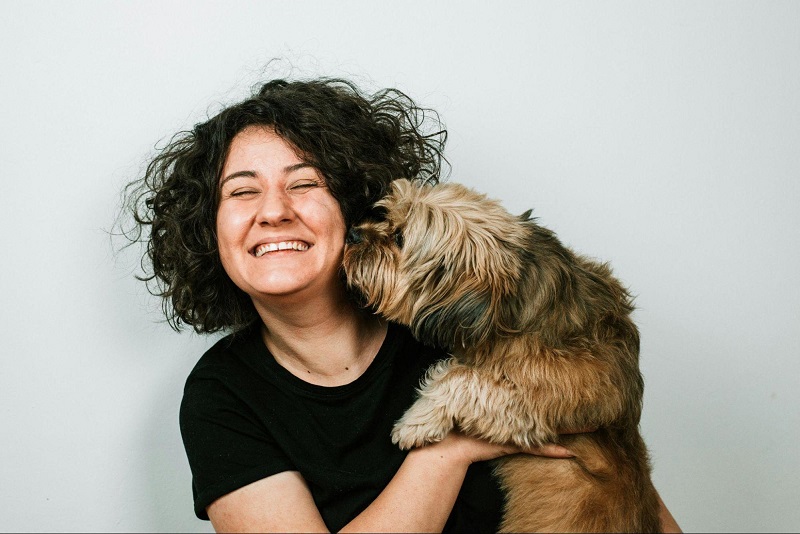
It’s not just feeding and walks. It’s the small daily choices that help your dog live well.
Responsible dog ownership isn’t defined by one big decision, it’s reflected in small, consistent actions that support a dog’s health, safety, and well-being every single day. From feeding and exercise to training and emotional care, responsible ownership is about understanding that a dog depends entirely on its owner for a stable, healthy life.
What makes this concept important is that it extends beyond the home. The way a dog is cared for affects not only the animal itself but also the surrounding community. Research and animal welfare frameworks emphasize that responsible ownership includes meeting physical, emotional, and behavioral needs while ensuring dogs interact safely with others . When these elements come together, dogs are healthier, better behaved, and more integrated into everyday life.
Providing Consistent Daily Care
At the foundation of responsible ownership is meeting a dog’s basic needs every day. This includes proper nutrition, clean water, regular exercise, and a safe place to rest.

Dogs require structured physical activity to stay healthy and avoid behavioral issues. Without it, they may develop anxiety, boredom, or destructive habits. Daily care also includes grooming and monitoring overall health, ensuring that any changes are addressed early.
Consistency is what matters most. Small, repeated actions, feeding on time, walking regularly, maintaining hygiene, creating stability and helping dogs feel secure in their environment.
Adapting Care as Dogs Age or Face Challenges
Responsible ownership evolves over time. As dogs age or experience health issues, their needs change, requiring adjustments in care.
Mobility challenges, for example, may require additional support to maintain quality of life. Resources available through platforms like Walkin Pets highlight how assistive solutions can help dogs remain active and engaged even when physical limitations develop.
Adapting to these changes is part of long-term commitment. It reflects an understanding that responsible ownership is not static, it requires ongoing attention and flexibility.
Supporting Health Through Professional Care
Responsible owners don’t rely only on home care, they also ensure their dog receives proper veterinary attention. Routine checkups, vaccinations, and preventive treatments are essential for long-term health.
Guidelines from veterinary organizations stress the importance of regular health monitoring, proper diet, and preventive care in maintaining a dog’s well-being . Early detection of issues can prevent more serious conditions later on.
In some cases, dogs may require more specialized support, including dietary guidance. Accessing structured programs like United Healthcare nutrition support can help owners better understand how nutrition impacts overall health, especially for dogs with specific medical or dietary needs.
Encouraging Good Behavior and Training
Training is a core part of responsible ownership. It ensures that dogs can safely interact with people, other animals, and their environment.
Basic commands such as sit, stay, and recall are not just about obedience, they are about safety and communication. Dogs that are well-trained are less likely to develop problematic behaviors and more likely to adapt to different situations.
Socialization is equally important. Introducing dogs to new environments, sounds, and experiences helps them become more confident and reduces stress in unfamiliar situations.
Creating a Safe Environment at Home and Outside
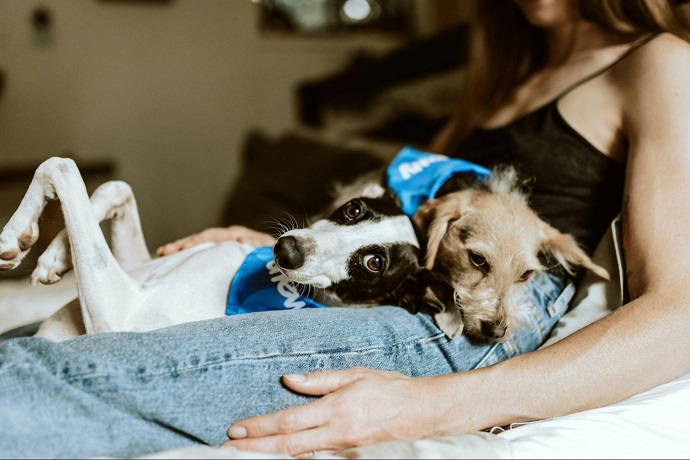
Photo by Chewy on Unsplash
A responsible dog owner takes steps to ensure safety both inside and outside the home. This includes secure fencing, proper supervision, and preventing access to hazards.
In public spaces, keeping a dog under control, often through leash use, is essential. Responsible behavior in shared environments reduces risks and helps create safer communities for everyone.
Safety also includes planning for unexpected situations, such as emergencies or changes in routine. Preparing for these moments ensures that a dog continues to receive proper care regardless of circumstances.
Balancing a Dog’s Needs With Everyday Life
Owning a dog involves integrating their needs into daily routines. This includes making time for walks, play, training, and companionship.
Dogs are social animals, and they rely on interaction to stay mentally and emotionally healthy. Ignoring these needs can lead to behavioral issues and reduced well-being.
Responsible owners find ways to balance their own schedules with their dog’s needs, ensuring that care remains consistent even during busy periods.
Being Considerate of Others
Responsible dog ownership also includes respecting the people and animals around you. This means managing behavior, cleaning up after your dog, and preventing disturbances such as excessive barking.
Guidelines emphasize that well-managed dogs contribute to safer and more inclusive communities by reducing conflicts and ensuring positive interactions .
This broader perspective highlights that responsible ownership is not just about the individual dog, it’s about how that dog fits into the wider environment.
A Long-Term Commitment to Care
At its core, responsible dog ownership is a long-term commitment. Dogs rely on their owners for their entire lives, which means care must be consistent, adaptable, and thoughtful over time.
This includes planning for future needs, whether related to health, behavior, or lifestyle changes. Owners who take this approach are better prepared to handle challenges and provide stable care.
Animal welfare research consistently shows that responsible ownership is built on meeting physical, emotional, and behavioral needs while maintaining safety and consistency throughout a dog’s life .
When these principles are applied daily, they create a strong foundation for a healthy, balanced relationship between dogs and their owners.





-
 DOG By Dr Lisa Dog Brush
lovely everyday brush for dog parents who want something gentle and easy to use.


-
DOG By Dr Lisa Dog Brush
lovely everyday brush for dog parents who want something gentle and easy to use.