


How to Deal With Grief of Losing a Pet: Counselor Tips
 Health & Wellbeing

The house is too quiet, the lead still hangs by the door, and people around you seem to expect you to be fine by now. Learning how to deal with grief of losing a pet starts with knowing that what you feel is real, and that it makes sense. For guidance, Pretty Fluffy turned to Beth Bigler, a certified pet loss grief counselor who has walked hundreds of families through this, and through the loss of her own soulmate dog.
Her advice below covers why the loss of a dog cuts so deep, the grief that can start before goodbye, and practical ways to carry your pet's memory forward, from pet memorial ideas to simply saying their name.

Why Losing a Dog Hurts So Much
A Bond Unlike Any Other
For many people, Beth explains, the relationship with a companion animal is the most intimate and loving one in their lives. Pets offer acceptance, unconditional love and loyalty in a way people often do not. The feeling runs both ways, too, as this look at whether dogs miss their owners shows.
Many pet parents also build part of their identity around caring for their animal, so when that pet dies, a sense of purpose can go with them. Beth is clear that losing a pet can hurt as much as losing a person, or more, and that this reaction is both valid and common.

When Pet Grief Isn't Recognized
Pet loss is what grief counselors call disenfranchised grief: a loss that is not openly acknowledged, publicly mourned or socially supported. Comments like "it's just a dog" leave people feeling isolated, embarrassed or ashamed of how much they hurt. There are rarely sympathy cards, meals dropped at the door or bereavement leave.
Beth hopes for a cultural shift where families, workplaces and communities recognize the human and animal bond. If someone close to you is grieving, these pet loss sympathy messages can help you find the right words.

Pet Grief Can Begin Before the Goodbye
Anticipatory Grief During a Pet's Illness
Grief often starts long before a pet passes. Beth describes anticipatory grief as a volatile ride that can bring uncertainty, fear, hypervigilance, powerlessness, anger, dread and sorrow. Not knowing how an illness will progress, or when the end will come, can feel crippling. Some people worry how they will cope, some fear they are not doing enough, and some simply want the ordeal to be over.
Counseling at this stage helps people stay present with their pet, look after themselves, and make end-of-life decisions in a safe, non-judgmental space. Staying present is something dogs do without trying. These lessons dogs teach us can be a comfort while there is still time together. Small comforts matter in these months, and these tips on caring for a senior dog can help make an older pet's remaining time as gentle as possible.

Guilt After Euthanasia or a Sudden Loss
Guilt is one of the hardest parts of pet grief. People replay a missed symptom, a delayed vet visit or the decision to say goodbye. Beth's reminder is simple: feeling guilty does not mean you did something wrong. If the timing of euthanasia still weighs on you, this guide to knowing when to put your dog down explains how vets and families weigh that choice.
8 Ways to Cope With the Loss of a Pet
To cope with the loss of a pet, accept that your grief is valid, let your feelings move through you instead of pushing them away, and say yes to help. Treat yourself with the kindness you would show a friend, honor your pet with a memorial, connect with people who understand, and talk to a pet loss grief counselor if the weight feels too heavy.
Know That Your Feelings Are Valid
Whatever you feel, it is real and it is profound, and you are not alone in it. Beth often gives grieving people a kind of permission slip to feel exactly how they feel, because so many people judge themselves harshly for grieving "too much."
Let Grief Move Through You
Rather than suppressing or judging your emotions, let them rise and pass. Grief that is allowed to move tends to soften more easily than grief that is held down.
Say Yes When Someone Offers Help
Accept the meal, the walk, the phone call, even when it feels uncomfortable to receive. Letting others care for you is part of healing.
Guilt Does Not Mean You Failed Them
Guilt about your pet's life or death is a normal part of grief, not proof that you let them down. Loving pet parents feel it precisely because they cared so much.
Speak to Yourself With Kindness
Beth recommends starting a self-compassion practice: talk to yourself the way you would talk to a dear friend who had just lost their dog.
Create a Pet Memorial to Celebrate Them
Art, a small funeral, a home altar or a celebration-of-life gathering can all honor your soulmate pet, and so can sharing their stories with friends or online. A piece of jewelry, a garden stone or a framed portrait gives your grief somewhere to rest.
Connect With Other Pet Parents Who Understand
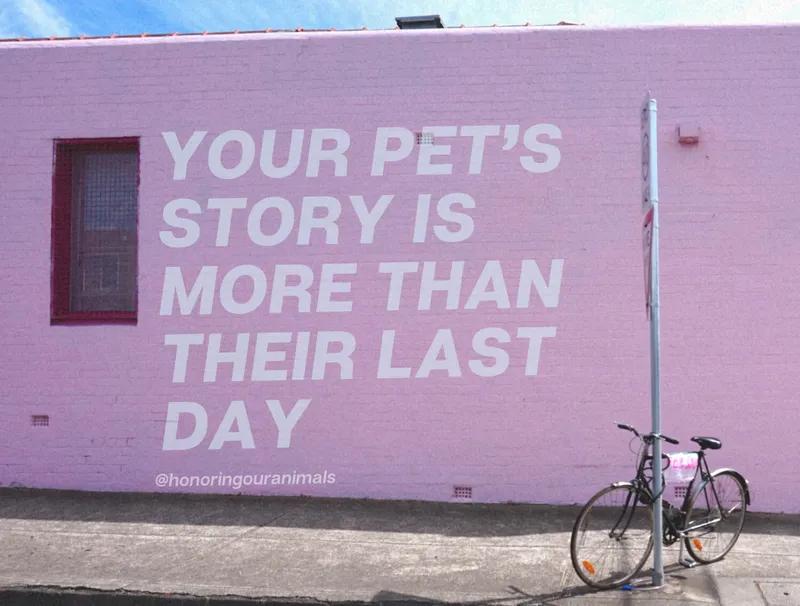
Reading other people's stories and joining a pet loss group can bring real reassurance. Beth's Instagram community, @honoringouranimals, is one place where grieving pet parents tell her they finally feel understood.
Talk to a Pet Loss Grief Counselor
A pet loss grief counselor or therapist can offer tools, strategies and steady support, both before and after a loss. Reaching out is a sign of how much your pet mattered, not of weakness.

Keep Saying Your Dog's Name
Asked for her single most important tip, Beth's answer is to keep saying your pet's name. Say it in everyday conversation, and find creative ways to honor it too, written in the sand or snow, engraved on jewelry or woven into a pet loss poem.
Celebrating your pet's name and life keeps their legacy alive. In Beth's view, the bond does not end with death. You can still give to your pet and receive from them, and the relationship can keep growing. For words to carry with you, these dog passing quotes and memorial sayings are a gentle place to start.
How Long Does Grief for a Pet Last?
There is no set timeline. Grief rarely moves in a straight line, and many people find it comes in waves: an ordinary day, then a sudden wave on hearing a jingle that sounds like a collar tag. Anniversaries, birthdays and the first holidays without them are often harder than expected. Feeling better slowly is normal, and so is still missing them years later.
When You Feel Ready for Another Pet
Only you can know when the time is right, and a new pet is never a replacement. Some people find comfort in opening their home again within weeks, others need far longer. Neither is wrong.
Do Pets Grieve the Loss of Another Pet?
Many do. In the ASPCA's Companion Animal Mourning Project, 36 percent of dogs ate less after losing a canine companion, about 11 percent stopped eating altogether, and two thirds showed four or more changes in behavior. Sleeping more, searching the house, clinginess and changes in barking or howling are all common.
Helping Your Dog Through a Loss
Keep their routine steady, spend extra time together, and offer gentle activity like a favorite walk or game. Food puzzles and these boredom busters for dogs help on the days you are out. Avoid rushing into a new companion to fill the gap, and if your dog stops eating or stays withdrawn, see your vet.
Pet Loss Resources and Support
Talking to someone who understands can help, even once. The Cornell Pet Loss Support Hotline is staffed by veterinary students trained by grief counselors, and many vet clinics and animal shelters run free pet loss support groups. Your own vet can usually point you to one nearby.
When to Reach Out for More Help
If grief is making it hard to eat, sleep or get through the day for weeks on end, a counselor or your doctor can help. If you ever have thoughts of harming yourself, call or text 988 in the United States, or your local crisis line, straight away.
For a closer look at how other animals in the home respond to loss, VCA Animal Hospitals explains whether dogs mourn and how to support them.
Meet Pet Grief Counselor Beth Bigler

Beth Bigler is a double-certified pet loss grief counselor, a certified end-of-life animal companion doula and a pet chaplain. She became a counselor after her own soulmate dog, Arnie, received a devastating diagnosis, and the support she found through that time led her to change careers. Her experience spans sudden death, behavioral euthanasia, missing pets and long illness.
Through her private practice, Honoring Our Animals, she supports grieving pet parents, trains veterinary professionals and pet care workers in grief awareness, and shares daily comfort on Instagram at @honoringouranimals.


Related Reading


Share a thought, ask a question, or tell us about your own dog. We read every comment.