


Best Foods For Dog Weight Gain
 Editor's Picks
It’s never a great feeling noticing your dog looking a little thinner than usual. You see it in their frame, the way their ribs show a bit more, or just a general lack of fullness that used to be there.
There are a lot of reasons this can happen. Some dogs burn through energy quickly, especially if they’re very active. Older dogs can start losing muscle over time. Rescue dogs often need help rebuilding weight. And sometimes, recovery from illness or surgery takes more out of them than expected.
In these situations, simply feeding more of the same food doesn’t always solve the problem. That’s where high-calorie dog food comes in. It’s designed to deliver more energy and nutrients in smaller portions, which is especially helpful for dogs that don’t have a strong appetite.
A calorie-dense diet can support healthy weight gain, recovery, and overall strength. It’s often recommended in cases like:
Post-Surgery or Illness Recovery
Healing uses a lot of energy. Extra calories help the body repair tissue and regain strength.
Underweight and Rescue Dogs
Dogs coming from difficult situations may need structured nutrition to safely rebuild weight and muscle.
High-Energy Lifestyles
Working dogs, athletic breeds, or very active companions simply burn more calories throughout the day.
Senior Dogs
Older dogs can lose muscle and may eat less. A more calorie-rich option helps maintain their condition.
Picky Eaters
Some dogs just don’t eat enough. A higher-calorie food helps them get what they need even in smaller amounts.
Certain Medical Conditions
Some health issues can lead to weight loss. In these cases, diet plays a key role in management.
Before making any changes, it’s always a good idea to check in with your vet. Weight loss can have different causes, and it’s important to address the root of the issue, not just the symptoms.
What to Look for in a Great High-Calorie Dog Food
Not all high-calorie foods are created the same. The goal is not just more calories, but better nutrition that supports healthy weight gain.
High-Quality, Digestible Protein
Protein supports muscle and overall body function. Look for real meat listed first, like chicken, beef, or fish. This is especially important for dogs rebuilding strength.
Healthy Fats for Concentrated Energy
Fats provide the most calories per serving. Sources like chicken fat or fish oil are ideal. They also support skin, coat health, and reduce inflammation.
Complex Carbs and High Digestibility
Ingredients like sweet potatoes, brown rice, or peas provide steady energy. Easily digestible formulas help your dog absorb nutrients more effectively.
Avoiding Fillers and Artificial Additives
Low-quality fillers and artificial ingredients don’t add much nutritional value. A cleaner ingredient list is usually a better choice.
Top High-Calorie Dog Foods for Adult Dogs
There are plenty of solid options depending on your dog’s needs. Some focus on performance, while others are better suited for recovery or picky eaters.
Our Favorite Dry Food Options
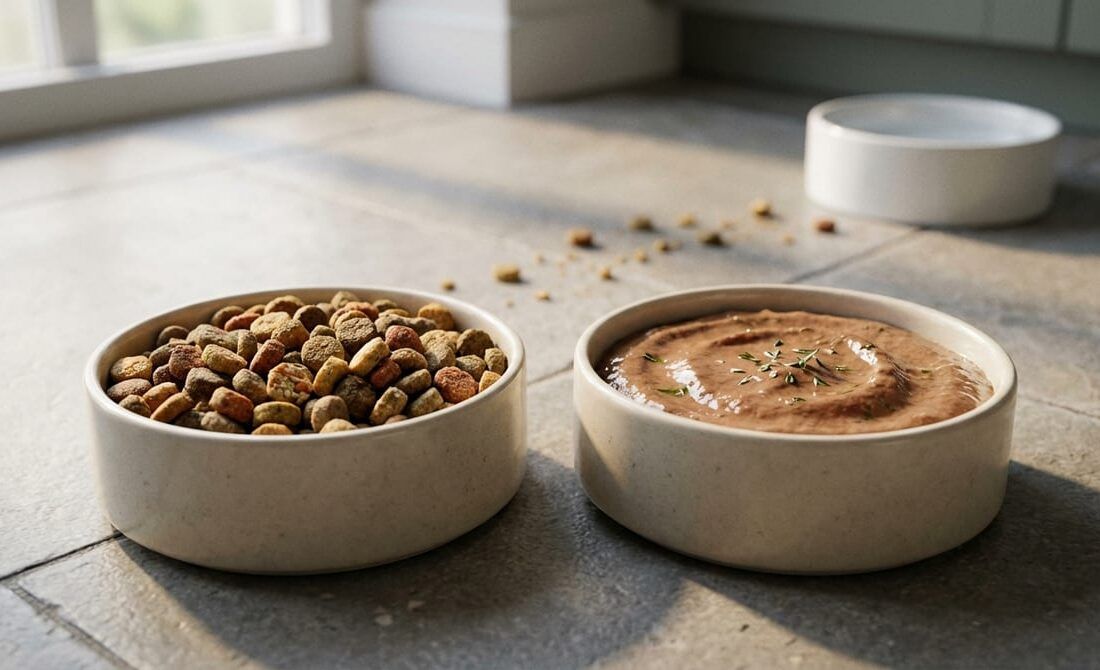
Dry food is convenient and works well for most dogs. For weight gain, look for higher protein and fat levels.
Bully Max High Performance Super Premium Dog Food

Bully Max is known for its high calorie density and strong protein content. It’s a good fit for active dogs or those needing to build muscle and regain weight.
CHECK PRICE >> Amazon
VICTOR Hi-Pro Plus Formula for Active Dogs & Puppies


A multi-protein formula that works well for active dogs and multi-dog households. It offers a good balance of protein, fat, and added nutrients.
CHECK PRICE >> Amazon
The Best Wet Foods for Recovery and Picky Eaters
Wet food can be easier to eat and more appealing, especially for dogs with low appetite.
Royal Canin Veterinary Diet Recovery Mousse

This is often used in recovery situations. Its soft texture and high calorie content make it easier for dogs to eat, even in small amounts.
CHECK PRICE >> Chewy
Hill's Prescription Diet a/d Urgent Care with Chicken

Formulated for recovery, this option is easy to digest and helps support energy levels during healing.
CHECK PRICE >> Chewy
Blue Buffalo Wilderness High Protein Wet Dog Food

A non-prescription option with strong protein content and a taste that tends to appeal to picky eaters.
CHECK PRICE >> Chewy
High-Calorie Choices Just for Puppies
Puppies naturally need more calories to support growth and development. Feeding them a nutrient-dense diet helps build a strong foundation.
Their food should support bone development, brain health, and immune function during this early stage.
Top Puppy Foods for Healthy Growth
Merrick Grain-Free Dry Puppy Food Real Beef & Sweet Potato Recipe
A protein-rich option with real beef as the main ingredient. It supports muscle development and overall growth.
CHECK PRICE >> Amazon
Purina Pro Plan Sport Development 30/20 All Life Stages

A high-protein, high-fat formula that supports active puppies and steady growth.
CHECK PRICE >> Amazon
How to Safely Transition Your Dog to a New Food
Switching food too quickly can upset your dog’s stomach. A gradual transition helps avoid digestive issues.
- Days 1–2: 25% new food, 75% old
- Days 3–4: 50% new, 50% old
- Days 5–6: 75% new, 25% old
- Day 7+: Fully transitioned
Keep an eye on your dog during this time. If you notice ongoing digestive issues, slow the process down or check with your vet.
Friendly Tips for Encouraging a Dog to Eat
If your dog isn’t eating much, small adjustments can help.
- Warm the food slightly to bring out the smell
- Add a simple topper like bone broth or plain pumpkin
- Feed at consistent times in a calm space
- Sit nearby if your dog prefers company
- Try hand-feeding to get them started
- Use puzzle feeders to make mealtime more engaging
FAQ
Frequently asked questions
1How quickly will my dog gain weight on a new food?
Weight gain should be gradual. The exact rate depends on your dog, but slow and steady is always safer.
2Can I just feed my dog more of their regular food?
Not always. High-calorie foods are more nutrient-dense, which makes them more effective without overloading your dog’s system.
3Is high-calorie food safe for all dogs?
No. It’s meant for specific situations. Feeding it to a dog that doesn’t need it can lead to weight gain and health issues.
4Are there any risks with a high-calorie diet?
In some cases, yes. Diets that are very high in fat may not suit every dog. This is why guidance from your vet matters.
5What’s the difference between high-calorie food and a weight-gain supplement?
High-calorie food is a complete diet. Supplements are added on top of regular food and are usually used short term.
Related Reading


Share a thought, ask a question, or tell us about your own dog. We read every comment.