
ADHD and Emotional Support Animals: How a Pet Can Help You Cope

For some ADHD brains, paws, routines, and quiet companionship can make the day feel a little more manageable.
Once in a while, we all struggle with staying focused, controlling impulsive behavior, or sitting still, but imagine having to deal with these issues all the time. When these conditions become so persistent and pervasive that they begin to disrupt your daily life, hindering your work, academics, or even your basic home and social activities, you know it’s not normal. We’re talking Attention-Deficit/Hyperactivity Disorder (ADHD).
Often first identified in school-aged children, ADHD affects millions of people worldwide. According to the American Psychiatric Association (APA), about 2.5% of adults and 8.4% of children struggle with ADHD. When it comes to support, Emotional Support Animals (ESAs) play a remarkable role in dealing with the emotional dysregulation among individuals with ADHD.
Whether you’ve already been diagnosed with ADHD or suspect its prevalence, this guide can help you understand how to get ESA for ADHD. We aim to investigate the science behind how certain pets can offer you exactly what you need to address your emotional needs. Let’s start with what ADHD is and how it relates to emotional regulation.

What is ADHD and Why Does Emotional Regulation Matter?
Simply put, Attention-deficit/hyperactivity disorder (ADHD) is a condition affecting your brain function. While its name suggests it has to do with not getting enough attention, it’s more about struggling with controlling your own attention or directing it to specific tasks.
Individuals with ADHD can have trouble paying attention, be overly active, or demonstrate impulsive behaviors such as acting without thinking about the consequences. On the other extreme, some of those affected may find themselves overly fixated or focused on things that interest them, a symptom called hyperfocus.
An American Psychological Association study reports that 25% to 45% of children with ADHD and 30% to 70% of adults with the disorder have significant emotional dysregulation, which refers to having difficulty managing emotions and the way you react to them.
In a given situation, you might end up feeling or reacting in more intense ways than others around you expect. When emotions feel too strong, your brain and body may try to cope by turning inward, such as checking out or going quiet, or bursting outward, like slamming the door or yelling.
These complications explain the importance of emotional regulation, which refers to the ability to understand and manage your emotions in healthy ways. We all notice how children tend to have temper tantrums, but as they grow older, they naturally develop better coping skills, letting them face life challenges, respond effectively to ups and downs, and adapt to change. The tantrums gradually get less frequent and eventually stop. Due to trauma or disorders like ADHD, this development is affected, causing emotional dysregulation to continue into teen and adult years.
While there exist numerous ways to regulate emotions, one technique that has clearly stood out is Emotional Support Animal for ADHD. Let’s find out what this is about:
What is an Emotional Support Animal (ESA) and How is it Different from a Pet or Service Animal?
The U.S. Department of Housing and Urban Development (HUD) defines an ESA as any animal that provides emotional support to a person through companionship, helps relieve loneliness, and aids in alleviating symptoms like anxiety, depression, certain phobias, and emotional dysregulation associated with ADHD. It can be a dog, a cat, or any animal that can help manage these conditions. Keep in mind that an ESA is not specially trained to assist individuals with disabilities, and their mere presence makes a positive difference to the people affected.
In contrast, a service animal is not just any ADHD support animal, but a dog that receives special individual training to perform tasks or work directed to help individuals with a sensory, mental, intellectual, psychiatric, physical, or any other disability.
So, can you get a service dog for ADHD? Unless you have a qualified serious mental and/or physical disability, you need not get an ADHD service dog. An ESA will suffice.
The Science Behind How ESAs Help With ADHD
ESAs offer a non-pharmacological yet scientifically backed approach to managing the conditions associated with ADHD. Their presence improves the way you think and process information, thereby playing a huge role in your cognitive functioning and overall mental health. They help naturally by reducing anxiety, setting up routines, and encouraging physical activity.
In a 12-week study, two groups of children with ADHD and their families were provided with cognitive-behavioral therapy, with one of the two groups provided with dogs. While children in both groups demonstrated a reduction in the severity of ADHD symptoms, the improvements for children in the group with dogs were considerably greater.
Emotional Regulation
Intense emotions and mood swings are an everyday issue for many individuals with ADHD. ESAs come with a natural calming energy. Merely petting a dog or cat releases a cascade of feel-good chemicals, including the “love drug” called oxytocin, dopamine, and endorphins.
Oxytocin, in particular, is a hormone connected to bonding and relaxation. Research suggests that when it gets triggered, your body’s cortisol levels decrease, thereby calming your mind and body. Lower stress levels also mean fewer distractions and the resultant emotional balance facilitates clearer thoughts. These results solve so many complications associated with ADHD, while also improving mental resilience.
Daily Routine
Individuals with ADHD often experience complications like forgetfulness and hyperfocus, making it extremely difficult for them to stick to timetables. Fortunately for them, pets love a set routine, with events happening in an organized, regular fashion.
Therefore, with an ESA, you’re naturally able to establish a fulfilling routine by caring for their basic needs like walking, feeding, and playing. Depending on how adventurous the dog or cat (or any other animal) is, your day tends to at least have a plan in place.
The ESA retains your attention and you consistently cater to their needs, which, in turn, tricks your brain into setting up a daily schedule and habits. Regularly tapping into your short- and long-term memory can also improve it in mysterious ways.
Impulse Control and Improved Focus Through Physical Exercise
An ESA, especially if it’s a dog, comes with the responsibility on your part to provide them with the daily exercise they need. When you take your dog on a walk, it’s not just their physical needs being met, but your body also gets the physical activity required for optimal emotional and physical regulation.
With an ESA, you’re more likely to stay consistent with your daily walks than if you’re alone. A 2023 meta-analysis found that pet owners, whether they own a cat, dog, or any other animal, got more exercise than non-owners. Another study showed that dog owners, in particular, go 13 more minutes of moderate-rigorous exercise and 2000 more steps per day than non-owners.
You might be thinking how this enhances impulse control and improves focus among individuals with ADHD. Well, for people with or without ADHD, exercise boosts the mood, while also releasing dopamine and increasing norepinephrine, a chemical that serves as a stimulant offering just about the same benefits as those offered by ADHD medications. All these aspects combine to stabilize your reward system, as well as filter your stimuli, resulting in improved focus and better impulse control.
Now that you possess a deep understanding of how ESAs can help with ADHD, let’s answer your question, “Can you get an ESA for ADHD?”
ESA for ADHD– How to Get Started?
If you have ADHD, you automatically qualify for an ESA. Follow these simple steps to bring your desired ESA home:
Step 1 – Take an ADHD Test Online
If you have been experiencing impulsive behavior related to eating, purchasing stuff, or other aspects, difficulty staying focused, forgetting the simplest of activities like food in the microwave, you might have ADHD, especially if these issues have been persistent. If you wish to regulate your emotions through an ESA, your first step is to get an ADHD diagnosis online.
The test simply involves answering a series of guided questions to determine whether you have ADHD traits. At the end, you’ll receive a detailed report outlining insights into the severity of your conditions.
Step 2 – Pursue a Formal ADHD Diagnosis
If your online ADHD diagnosis happens to be positive, it’s time to take things seriously and reach out to a licensed mental health professional. Depending on your location, the typical wait time for appointments can vary, so it’s best to schedule as early as possible.
Once you get an appointment, be sure to explain the specific ADHD symptoms you have been experiencing and answer everything they ask comprehensively. You may also ask them whether they can provide an ESA letter, should the ADHD diagnosis be positive.
Step 3 – Get Your ESA Letter
Once you have a formal ADHD diagnosis, you will need to get an ESA letter confirming you have a mental condition from your consultant. This letter should thus include an ADHD diagnosis and highlight the need for an ESA to mitigate your symptoms.
Depending on where you go, getting an ESA letter need not be a complicated process. Reach out to Pettable to get yours in a timely manner.
Conclusion
By now, you should have developed an in-depth understanding of ADHD and how ESA can help alleviate its symptoms through emotional regulation, the establishment of routine, and physical exercise.
Hence, if you suspect ADHD for you or a loved one, you need not suffer in silence. It’s time to act and take steps to improve your quality of life. If you like pets, go ahead and bring your desired furry companion home. It may well be your path to relief and happiness!





-
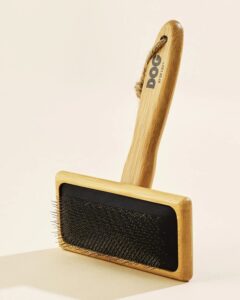
 DOG By Dr Lisa Dog Brush
lovely everyday brush for dog parents who want something gentle and easy to use.

-
DOG By Dr Lisa Dog Brush
lovely everyday brush for dog parents who want something gentle and easy to use.