


What to Look for in Natural, Single-Ingredient Dog Treats
 Beyond
Walk down the treat aisle at any Australian pet store and you’ll see words like “natural,” “premium” and “wholesome” on plenty of bags. Turn the pack over, though, and the ingredient list gives you a clearer picture of what you’re buying.
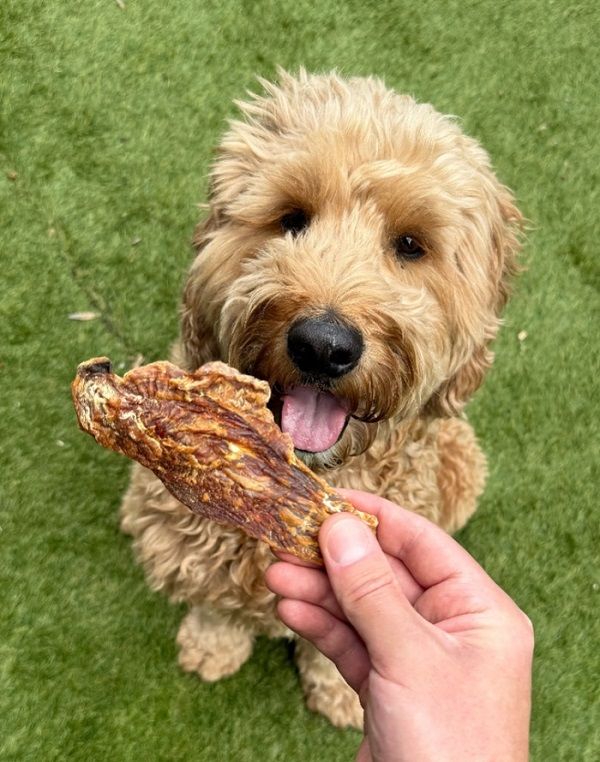
Some natural treats contain just one ingredient, such as dried chicken breast, sweet potato or beef liver. Others combine several ingredients in a biscuit or baked treat. Both can have a place in your dog’s treat cupboard.
“Single-ingredient” has a specific meaning: one ingredient, with nothing else added. If there’s added flavouring or a preservative, it no longer fits that description.
That simplicity can be useful when you want to know exactly what you’re feeding. For treats with several ingredients, look for a clearly labelled recipe that suits your dog.
Why Clear Ingredients Matter
Knowing what’s in your dog’s treats makes choosing them easier, especially if certain foods haven’t agreed with them in the past.
Single-ingredient treats keep things straightforward. With just one ingredient to consider, it’s easier to keep track of what you’re feeding and avoid something you already know your dog doesn’t tolerate.
But a short ingredient list isn’t the only sign of a good treat. A thoughtfully made biscuit can combine several clearly named ingredients, each contributing flavour, texture or nutrition. Having more than one ingredient doesn’t make a treat less natural or lower quality.
The useful question is whether you can tell what’s in it and whether it suits your dog. A clearly labelled biscuit can be just as straightforward to choose as a bag of dried meat.
When introducing a new treat, start with a small amount and avoid changing several things at once. If you notice itching or digestive changes, keeping a record of what your dog has eaten can help your vet investigate. The timing alone doesn’t prove the treat caused the problem.
For dogs on a vet-supervised elimination diet, follow your vet’s instructions about treats too, even a single-ingredient option may interfere with the trial.
"Natural" Doesn't Mean What Most People Assume
Unlike some claims on human food packaging, "natural" isn't tightly regulated on Australian pet treats. It generally signals minimal processing and no artificial additives. It isn't a promise about quality.
Plenty of technically natural treats are still mostly filler once you look closely.
The better question is what the treat's really made from, and how it got processed to get there. Air-dried and dehydrated treats generally hold onto more of their original nutritional value than heavily cooked or extruded ones, since less heat tends to mean less gets lost along the way.
Sourcing matters here too. A shorter supply chain, Australian meat processed in Australia, usually means less time sitting around before the product reaches a shelf.
Worth reading the fine print on this one specifically: a bag can say "made in Australia" while the meat inside came from somewhere else entirely, or the reverse. Both facts are usually printed somewhere. They're just rarely printed in the same font size as the word doing the real selling.
The Dental Connection Nobody Mentions on the Bag
Chewing does real, physical work on a dog's teeth, which is worth understanding before dismissing this as marketing spin. RSPCA Australia notes that around 80% of dogs show some level of dental disease by the time they're three years old. That statistic is a big part of why chewing treats get recommended alongside regular vet checkups, not instead of them.
A single-ingredient chew, a dried tendon, a plain dehydrated meat strip, delivers that mechanical chewing action without the fillers, added sugars, or artificial binders that serve the manufacturer more than the dog and occasionally cause an upset stomach on top.
Dental-focused chews largely work through mechanical abrasion as the dog gnaws, which is exactly why texture and size matter here almost as much as ingredient count.
A Quick Checklist Worth Running Through
Before a treat lands in the cart:
- Does the ingredient panel list a long list of confusing ingredients?
- Is the country of origin clearly stated for both the raw ingredient and the manufacturing?
- Does the texture suit the dog's size and chewing strength, not brutally hard for a small or senior dog, not so soft it's gone in one bite?
- Any added preservatives, colours, or flavour enhancers a genuinely single-ingredient treat has no reason to need?
None of that takes special training to check. It takes reading the back of the bag instead of trusting the front of it.
A brand that's confident in what it sells tends to make that information easy to find, printed clearly instead of buried in eight-point font near the bottom.
What This Looks Like for a Real Brand

Bark Yeah!, an Australian company founded in 2022, builds its range around exactly this idea: treats made for a specific job - dental maintenance, training, a genuinely long-lasting chew- using traceable ingredients rather than a long filler list.
None of that is a claim unique to one brand. It's simply the bar any Australian treat company using the word "natural" ought to clear.
Search for natural dog treats Australia and you'll find dozens of brands making a version of the same promise. What really tells them apart isn't the marketing copy on the front. It's the ingredient panel most people never bother flipping to.
The Habit Worth Keeping
Reading a treat's ingredient list takes about ten seconds.
Doing it every single time, instead of taking a front-of-pack claim at face value, is probably the single most effective habit for improving what ends up in a dog's bowl over the long run.
A treat that's genuinely single-ingredient, sensibly sized, and traceably sourced does more for a dog's health than one wrapped in the word "natural" with little else behind it. The packaging exists to sell. Read properly, the label exists to tell the truth, and the two don't always agree with each other.
Ten seconds a bag doesn't sound like much on its own. Over a year of regular treats, though, it adds up to a genuinely different diet, one built from real ingredients rather than a rotating cast of fillers hiding behind the same reassuring word on every front label.
Related Reading


Share a thought, ask a question, or tell us about your own dog. We read every comment.