


Homemade Probiotics for Dogs
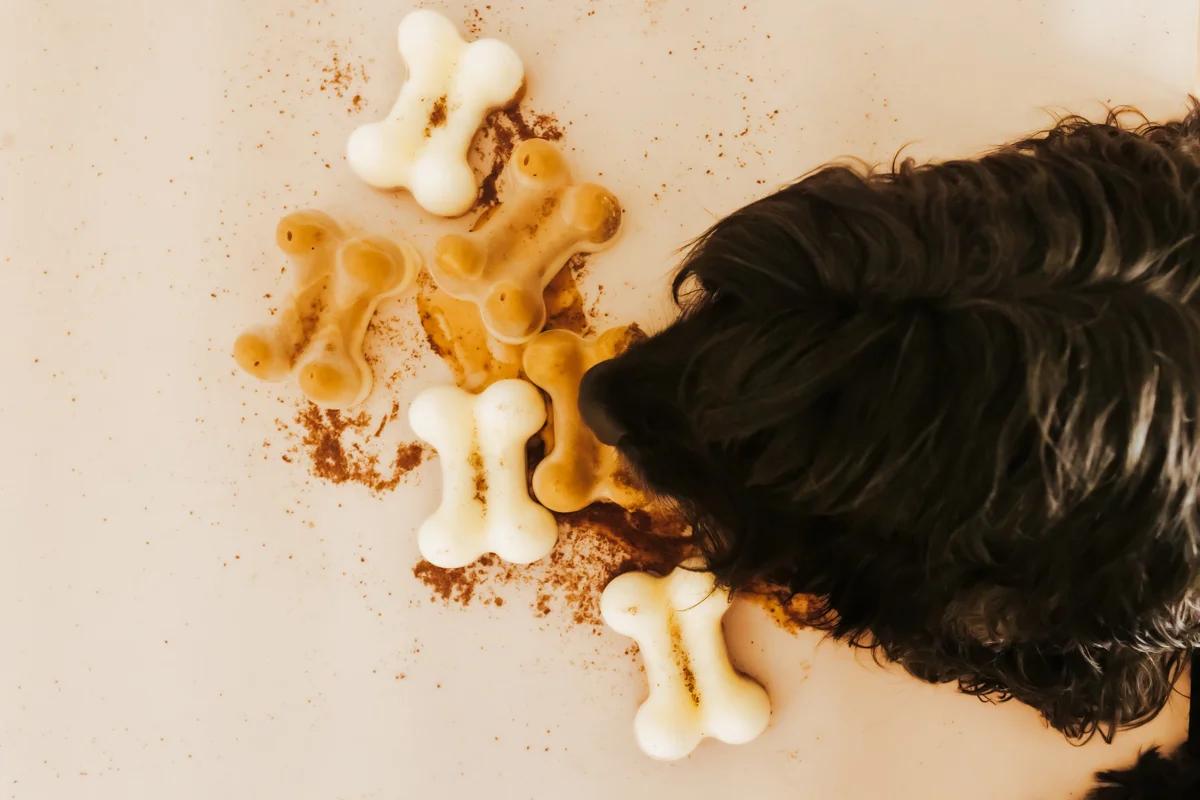 Dog Treat Recipes
Adding a spoonful of yogurt to the bowl is one of the most common pieces of dog advice going around, and it is usually given without anyone explaining which foods actually contain live cultures, which ones just feed the bacteria already there, and how much is sensible for a ten-pound dog versus a ninety-pound one. Those are the details that decide whether homemade probiotics for dogs do anything at all.
What follows is the short version of the science, a clear list of which everyday foods qualify and which do not, serving guidance by size, and six no-bake treat recipes that take about ten minutes each.

Can You Give Your Dog Homemade Probiotics?
Yes, within limits. Several dog-safe foods contain live bacterial cultures, with plain unsweetened yogurt and kefir the most reliable and most widely available. Small amounts mixed into food or frozen into treats are a reasonable way to add them. What homemade food cannot do is match a veterinary probiotic supplement, which delivers defined strains in a known dose that has been chosen to survive the journey through a dog's stomach. Homemade probiotics are a gentle addition to a balanced diet, not a treatment, and a dog with ongoing digestive trouble needs a vet rather than a recipe.
The other limit worth knowing up front: not every fermented food is suitable for dogs, and not every food sold as gut-friendly contains any live culture at all.
What Probiotics Do in a Dog's Gut
A probiotic is a live microorganism that provides a health benefit when given in an adequate amount. In a dog, that means bacteria that arrive alive, survive the stomach, and take up temporary residence in the intestine, where they compete with less helpful microbes and help keep the gut environment stable.
The catch in that definition is the word live. Heat, acid, time on a shelf and processing all reduce how many organisms make it to the intestine, which is why a food's culture content matters more than its reputation. It is also why dog-specific supplements exist: they use strains selected for canine digestion and state a count on the label.
Probiotics vs Prebiotics
These two get used interchangeably and they are not the same thing. Probiotics are the bacteria. Prebiotics are the fiber those bacteria eat. Dogs do best with some of each, and a food can easily be one without being the other.
| Probiotics | Prebiotics | |
|---|---|---|
| What it is | Live beneficial bacteria | Fermentable fiber |
| Is it alive | Yes | No |
| What it does | Adds helpful microbes to the gut | Feeds the microbes already there |
| Dog-safe examples | Plain yogurt, kefir, cultured buttermilk | Pumpkin, banana, apple, chicory root, flaxseed, chia |
| Affected by heat or freezing | Yes, cultures can be reduced or killed | No, fiber is stable |
Foods That Actually Contain Live Cultures
This is a much shorter list than most articles suggest. Offer any of these in small amounts, and check every label for xylitol, which is lethal to dogs and turns up in sweetened dairy. If you would rather buy than make, the dog food and treats directory is a good place to browse brands.
Plain yogurt with live cultures. Unsweetened, no added sweeteners of any kind, and ideally one that names its cultures on the label. Greek yogurt is lower in lactose than regular, which suits sensitive dogs better.
Kefir with live cultures. Generally richer in both the number and variety of organisms than yogurt, and lower in lactose again because of how it ferments. Plain and unsweetened only.
Goat's milk. Easier on many dogs than cow's milk. Choose pasteurized, or a commercial goat's milk product sold specifically for pets, rather than raw milk from a farm gate.
Cultured buttermilk. Worth a careful label check, because most supermarket buttermilk is pasteurized after culturing and may contain very little live bacteria by the time it reaches you.
Small amounts of plain fermented vegetables. Unsalted, unseasoned sauerkraut-style cabbage is the usual example. Teaspoon quantities, and only for dogs who tolerate them, since fermented vegetables cause gas in plenty of dogs.
Prebiotic Foods That Feed the Good Bacteria
These contain no live cultures at all, which is where a lot of advice goes wrong. They are still genuinely useful, because they feed the bacteria already in the gut, and most of them are dog-safe in modest amounts: pumpkin puree, banana, apple without the core or seeds, chicory root, flaxseed, ground chia and asparagus. Pumpkin is the most useful of them for a dog with a loose stool, and it works alongside a probiotic food rather than instead of one.
Foods to Keep Out of the Bowl
Garlic and leeks appear on a surprising number of natural probiotic lists for dogs. They should not be on any of them. Both belong to the Allium family along with onions and chives, and VCA Animal Hospitals notes that all forms are poisonous to dogs, with garlic the most toxic of the group, and that dried and powdered forms are the most concentrated of all. They are also not probiotic foods. Skip them entirely.
Also worth avoiding: anything sweetened, because of xylitol; flavored or fruit-on-the-bottom yogurts, for the sugar; kombucha, which is both acidic and often slightly alcoholic; and any fermented product carrying salt, onion or garlic seasoning. If a label lists ingredients you would not feed individually, the fermentation does not redeem them.
How Much Probiotic Food Can a Dog Have?
Start smaller than feels useful and build up. A reasonable starting point for plain yogurt or kefir is about a teaspoon a day for a small dog, a tablespoon for a medium dog and two tablespoons for a large one, given a few times a week rather than at every meal. Those are general figures rather than prescriptions, and your vet can set better ones for your own dog, particularly one with a health condition or a prescription diet.
Two things matter more than the exact amount. The first is that treats and extras should stay within roughly a tenth of a dog's daily calories, and dairy is not calorie-free, so probiotic treats need to displace other snacks rather than sit on top of them. The second is that new foods go in gradually, one at a time, with a few days between additions, so that if something disagrees you know what caused it.
Lactose is the usual culprit when dairy does not suit. Kefir and Greek yogurt are lower in lactose than milk or regular yogurt, but some dogs react to all of it with gas, loose stools or discomfort. If that happens, stop, let things settle, and talk to your vet rather than pushing through. Puppies, seniors, dogs with pancreatitis, and any dog on a restricted or prescription diet should have the conversation before the first spoonful, not after. Keeping treats in proportion is easier when the everyday ones are sensible too, and this guide to choosing dog treats covers what to look for on a label.
6 Homemade Probiotic Dog Treat Recipes
All six are no-bake, all take about ten minutes of actual work, and all of them use kefir, yogurt, goat's milk or buttermilk as their live-culture base. You need a blender or food processor, silicone molds or an ice cube tray, and a baking tray to carry the molds to the freezer without a spill. Custom molds are a nice touch if you want the shapes to be recognizable, and Kubed makes them to order.
One note that applies to every recipe below: serve these as treats, count them toward that ten percent, and keep portions in proportion to the dog. A cube that suits a Labrador is two or three servings for a Chihuahua.
Apple and Yogurt Probiotic Pupsicles

Ingredients: 1 cup pasteurized goat's milk, 1 cup plain Greek yogurt, 1 grated apple with the core and seeds removed, a sprinkling of chopped parsley, and a few asparagus spears halved lengthways if you want sticks.
Method: Blend everything except the asparagus until smooth. Sit the molds on a baking tray, pour in the mixture, and push in an asparagus spear as a stick if you are using one. Freeze for two to three hours until solid and serve frozen.

Makes: about twelve small molds. Keeps in the freezer for up to two months. The apple and asparagus here are prebiotic fiber rather than live culture, so the yogurt and goat's milk are doing the probiotic work.

Kefir and Peanut Butter Pupsicles

Ingredients:
1 cup plain kefir, half a cup plain Greek yogurt, 1 tablespoon flaxseed, and 1 cup creamy peanut butter.
Check the peanut butter label for xylitol before you open the jar.
Some brands use it, and it is lethal to dogs even in small amounts. Choose a plain peanut butter with no added sweetener.
Method, the simple way: blend everything, pour into molds on a tray, freeze two to three hours.

Method, for two-tone treats: blend the kefir and yogurt and fill the molds halfway, then freeze until firm. Mix the flaxseed through the peanut butter, spoon it over the set layer, and return to the freezer.
Makes: about twelve small molds. Peanut butter is calorie-dense, so these are a once-or-twice-a-week treat rather than a daily one, and small dogs want small molds.

Banana and Buttermilk Frozen Dog Treats

Ingredients: 1 cup cultured buttermilk with live cultures, 1 mashed banana, half a cup finely chopped raw cabbage, and a teaspoon of honey to finish if you like.
Method: Blend everything except the honey until smooth. Pour into molds on a tray, drizzle the honey over the top, and freeze for two to three hours until solid.

Makes: about twelve small molds. Honey is optional and worth skipping for puppies under about twelve months, and for any dog whose sugar intake is being managed. It is a garnish here, not an ingredient the recipe needs.


Pumpkin and Goat's Milk Probiotic Pupsicles

Ingredients: 1 cup pasteurized goat's milk, half a cup plain Greek yogurt, half a cup unsweetened pumpkin puree, 1 teaspoon chia seeds, and small plain dog biscuits for sticks if you want them.
Method: Blend the milk, yogurt, pumpkin and chia until smooth and creamy. Pour into molds on a tray, add a biscuit as a stick if using, and freeze for three to four hours until completely solid.
Makes: about twelve small molds. Make sure the pumpkin is plain puree and not pie filling, which is spiced and sweetened. The pumpkin and chia are the prebiotic fiber; the yogurt and goat's milk carry the cultures.
Coconut Kefir and Blueberry Frozen Treats

Ingredients: 1 cup unsweetened coconut kefir with live cultures, half a cup plain Greek yogurt, half a cup blueberries fresh or frozen, and 1 tablespoon ground flaxseed.
Method: Blend until smooth. Pour into molds or an ice cube tray, tapping lightly to release air bubbles, and freeze for two to three hours until firm. Blend the blueberries only halfway if you want visible pieces.

Makes: about twelve cubes. One or two cubes is a serving for most dogs. Coconut kefir is water-based rather than dairy, which makes this the recipe to try first for a dog who does not tolerate milk.
Sweet Potato and Kefir Gut Gummies
Ingredients: 1 cup mashed cooked sweet potato, half a cup plain kefir, 1 tablespoon unflavored gelatin powder, a quarter cup warm water, and a quarter teaspoon of apple cider vinegar if you want it.
Method: Sprinkle the gelatin over the warm water and leave it five minutes to bloom. Blend the sweet potato, kefir and vinegar until smooth, add the bloomed gelatin, and blend again. Pour into silicone molds and refrigerate for two to three hours until set and firm.
Makes: about twenty small gummies. Keeps in an airtight container in the fridge for up to a week. The kefir is the live-culture ingredient here. Apple cider vinegar is optional and is not a meaningful probiotic source despite how often it is described as one, so leave it out if your dog has a sensitive stomach. These are the softest of the six, which suits older dogs.
Does Freezing Kill the Live Cultures?
Freezing is gentler on bacteria than heat, and a good portion of the cultures in yogurt or kefir survive it, though numbers do fall over time in the freezer. Heat is the real problem, which is why every recipe here is no-bake. The practical takeaways are simple: do not cook a probiotic ingredient, make small batches and use them within a couple of months rather than keeping them for half a year, and if the live cultures are the whole point on a given day, a spoonful of fresh kefir stirred into dinner delivers more of them than a frozen cube.
The same logic applies to buying. A yogurt that names its cultures and sits in a chilled cabinet is a better bet than a shelf-stable dairy dessert, and a treat baked at 350 degrees is a nice treat with no probiotic value left in it. If you want baked recipes for other reasons, these sugar free dog treat recipes are built for it.
Do Homemade Probiotic Treats Work as Well as a Supplement?
Not equivalently, and it is worth being straight about why. A veterinary probiotic states which strains it contains and how many organisms are in a dose, and those strains are chosen because they survive stomach acid and have been studied in dogs. A spoonful of yogurt offers an unknown number of organisms from strains selected for making yogurt taste good. Both can be useful; only one is measurable.
So the honest framing is this. Homemade probiotic foods are a reasonable everyday addition for a healthy dog, they are cheap, and most dogs enjoy them. For a specific problem, such as diarrhea after antibiotics or an ongoing digestive condition, a dog-specific supplement chosen with your vet is the appropriate tool, and homemade treats are a complement rather than a substitute.
The difference is easy to see on a label. Wonderfur's Prebiotics and Probiotics powder, made in Australia and vet-formulated, names all nine of its strains, including Lactobacillus acidophilus, L. rhamnosus and Bifidobacterium lactis, and states 180 million CFU per gram. It adds chicory root inulin as a prebiotic, is lactose-free, and comes with a scoop dosed by your dog's weight, so the amount is never a guess. It sits happily alongside the recipes above: the powder brings the measured dose, and the pupsicles bring the fun.

Results also do not arrive on a schedule. How quickly anything changes depends on the strain, the dose, the individual dog and whatever is causing the problem in the first place, which is why no timeline is offered here. If you are hoping to see a difference in something specific, tell your vet what you are watching for and agree how long is reasonable before trying something else.
Probiotics and Itchy Skin in Dogs
Gut health and skin health are genuinely connected, and it is a live area of veterinary research. That is a long way from probiotics being a treatment for an itchy dog, and it is worth keeping the two apart.
Itching has many causes. Fleas, environmental allergies, food allergies, contact irritants, yeast and bacterial infections, and dry winter air all present as a dog who will not stop scratching, and they need different treatments. Some studies suggest certain probiotic strains may help support skin barrier function in some dogs, but the evidence is limited, strain-specific, and not strong enough to treat a homemade yogurt treat as an allergy remedy.
What that means in practice: adding a small amount of plain kefir or yogurt to a healthy dog's diet is fine and may do some good. A dog who is scratching persistently, losing hair, breaking the skin, shaking their head or smelling yeasty needs a veterinary diagnosis, because the thing causing it will keep going regardless of what is in the treat mold.
When to Call the Vet Instead
Homemade treats are for healthy dogs and mild, occasional grumbles. Some things need a phone call rather than a recipe. Call your vet promptly for diarrhea or vomiting lasting more than a day or two, any blood in either, refusing food, a swollen or painful abdomen, lethargy, or weight loss you did not plan. Dehydration moves quickly in small dogs and puppies in particular.
Also check in before starting anything new if your dog is a puppy, is pregnant or nursing, has pancreatitis or a history of it, is immunocompromised, is on a prescription diet, or is taking medication. And if you suspect your dog has eaten something toxic, garlic and onions included, treat it as urgent and call your vet or a pet poison line straight away rather than waiting to see what happens.
For everyday gut support in a well dog, the simplest version of all this is a small amount of a live-culture food a few times a week, introduced slowly, alongside a complete diet. There are more seasonal ideas in these Christmas dog treat recipes.
Related Reading


Share a thought, ask a question, or tell us about your own dog. We read every comment.