
How to Puppy Proof Your Home: 10 Essential Tips

Our top ten tips for keeping you and your new pup safe, healthy and happy...leaving more time for pupper snuggles.
Copy: Serena Faber Nelson
Photography: Serena Faber Nelson & Sarah Dickerson
Bringing home a new puppy is one of the best things in the world. It is also, if we are being honest, the moment your home transforms into one giant chew toy and obstacle course.
Puppies explore everything with their mouths, have absolutely no sense of danger, and will find the one thing you forgot to move in approximately four minutes.
Puppy proofing your home before they arrive is the single best thing you can do for their safety and your sanity. These tips will have you sorted before that little bundle of fluff comes bounding through the door.


Start with a Puppy’s-Eye View
Before you work through the list below, get down on all fours and walk through your house. Seriously. Puppy proof your house from their perspective and you will spot hazards you would never notice from standing height: dangling cords, gaps behind appliances, items on low shelves, chewable furniture legs.
Focus your puppy proofing on the specific rooms and zones where your pup will spend most of their time. A puppy securely confined to one area while they are settling in only needs that area to be fully proofed, apart from universal hazards like electrical cords, toxic plants, and poisonous chemicals, which should be inaccessible everywhere.

How to Puppy Proof Your Home: Room by Room
1. Keep All Food Out of Reach
Gone are the days of leaving half a pizza on the couch or a freshly made sandwich on the bench. You are a dog parent now!
Puppies have an extraordinary sense of smell and will eat virtually anything that crosses their path. Beyond ruining their diet, many everyday foods are genuinely toxic to dogs.
Chocolate, grapes, raisins, onions, garlic, xylitol (found in many sugar-free products), macadamia nuts, and cooked bones are all dangerous. Store everything, including preparation utensils, pet food, mints, gum, and decorative fruit bowls, well out of reach.
Never underestimate a puppy’s ability to reach food. They are determined little muffins.

2. Lock Away All Household Chemicals and Medications
This is more extensive than it sounds. Go room by room through your kitchen, laundry, bathroom, and garage removing all cleaning products, medications, vitamins and supplements, pesticides, car products, and beauty items to high shelves or locked cupboards.
Childproof cabinet latches are worth installing in the kitchen and bathroom. Puppies ignore them about as well as toddlers do, but they slow them down enough to matter. Even seemingly harmless items like herbal supplements, hairspray, and fabric softener sheets can be toxic. If in doubt, move it up.
3. Secure Every Electrical Cord
Puppies chew electrical cords, and it is life-threatening. This is one hazard that cannot be left until later.
Run fixed cords through spiral cable wrap or cord concealers, or tack them to skirting boards where they cannot be reached. Phone chargers, laptop cables, and ethernet cords are just as dangerous as appliance cords and easier to forget.
Get into the habit of packing them away whenever they are not in use. Cover any accessible power outlets with outlet covers while you are at it.
4. Check Your Fencing and Outdoor Spaces
Walk the entire perimeter of your yard and check for gaps, loose panels, and spots where a small dog could dig under the fence. Check the height too — you will be surprised how early some breeds start jumping.
Inspect your gate latch. It needs to be secure enough that a determined puppy (or a visiting child) cannot nudge it open. Close off balconies, staircases, and any open high spaces to prevent falls. If you need to limit access to certain areas, a baby gate is your best friend during the first few months.
5. Remove Toxic Plants From Your Garden and Home
Many common garden and indoor plants are toxic to dogs, including azaleas, daffodils, tulips, foxglove, sago palm, and peace lilies.
Before your puppy comes home, check every plant in your garden and inside your house against the ASPCA’s full list of toxic plants. Or check out our article on toxic houseplants for dogs.
Remove what you can and securely fence off what you cannot. If you use fertilisers, pesticides, or snail bait in the garden, switch to pet-safe alternatives before your puppy arrives. These products can be absorbed through paw pads and are frequently fatal.
6. Keep the Toilet Lid Down
In this case, training is not just for the pup. Make sure everyone in the household knows the rule: lid down, always.
A puppy can drown in a toilet, and if you use automatic toilet bowl cleaners, the water becomes toxic as well. If you cannot guarantee the whole household will remember, skip the automatic cleaners entirely until your puppy is older and less likely to be drinking from the bowl.
7. Declutter Everything at Pup Level
Puppies explore with their mouths, so for their safety and your sanity, clear everything off the floor and any surface they can reach. This includes your shoes (spoken from personal experience — I lost five pairs before I learned this lesson), coins, pins, hair ties, children’s toys, and anything sentimental or irreplaceable.
Choke hazards are a real risk. Small objects that fit in their mouth can cause intestinal blockages that require emergency surgery. Do one sweep of every room at puppy height and be ruthless.
8. Secure Blind and Curtain Cords
Dangling cords are irresistible to puppies and can become strangulation hazards very quickly. Tie them up, use cord cleats to keep them well out of reach, or replace them with cordless blinds in the rooms your puppy accesses most.
9. Cover Rubbish Bins, Hampers, and Appliances
Kitchen bins, bathroom wastepaper baskets, laundry hampers, washing machines, and dishwashers all carry strong scents that will absolutely attract your puppy’s attention. A lidded bin is the minimum. Move bins inside cupboards with latched doors if you can.
Keep the washing machine and dryer closed at all times and always check inside before turning them on. A warm dryer is a surprisingly appealing napping spot for a small puppy.
10. Set Up Safe Puppy Zones
The best tool in puppy proofing your home is creating a structured environment from day one. Use baby gates, playpens, or a crate to limit your puppy’s access to proofed areas when you cannot directly supervise them.
Puppies genuinely thrive with a den. Whether you use a crate or create a safe zone with their bed, water bowl, and toys, they will quickly develop a sense of security around their own space.
A puppy who has a safe place to be is less likely to be destructive elsewhere. Pair their zone with plenty of appropriate chew toys so they always have something acceptable to sink their teeth into.
Do One Final Walk-Through
Once you have worked through the list, do a slow walk through every room your puppy will access and approach it the way they will: low to the ground, curious, and motivated to chew the first interesting thing they find. You will almost always catch one or two things you missed.
The first few weeks at home will teach you more about your specific puppy’s habits and blind spots. Stay close, supervise often, and adjust as you go. It gets easier quickly, and before long you will have a puppy who knows exactly which bits of the house are theirs and which are off limits.

Pretty Fluffy is the ultimate lifestyle destination for dog lovers. Discover the best designer dog brands and emerging small pet businesses, the latest dog accessories, healthy dog treat recipes, dog training tips and more. Thank you for being part of our dog-loving community!
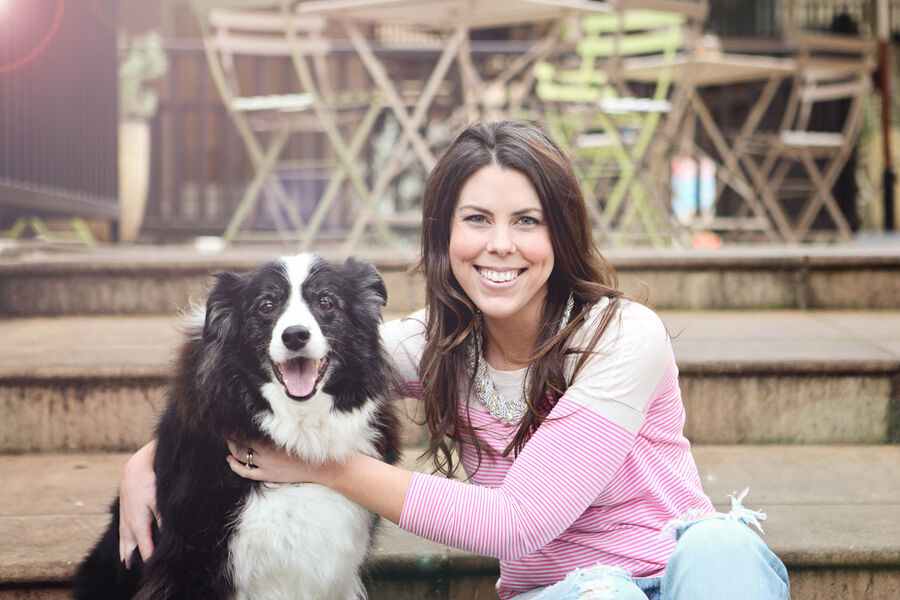
Pet lifestyle expert Serena Faber-Nelson is the founder of Pretty Fluffy. A contributor to Everyday with Rachael Ray, Modern Dog Magazine, Cesars Way and more; her modern, stylized take on DIY dog treats has seen her recipes viewed millions of times over.
Serena is the author of the go-to dog mom bible, Dog Mama, and the popular dog treat recipe book, Healthy Homemade Dog Treats.
Copy: Serena Faber Nelson
Photography: Serena Faber Nelson & Sarah Dickerson


-
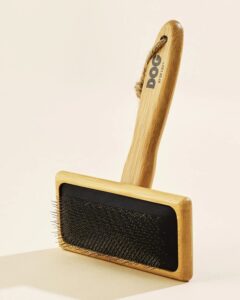
 DOG By Dr Lisa Dog Brush
lovely everyday brush for dog parents who want something gentle and easy to use.

-
DOG By Dr Lisa Dog Brush
lovely everyday brush for dog parents who want something gentle and easy to use.
i wish to adopt a puppy but i don’t live in U.S.A.!I live in the Philippines.
Great Tips!
What kind of dog is this?
Thanks so much everyone! I learnt some of these tips the hard way – or should that be my shoes learnt the hard way! 🙂
xx
You’re*
Wonderful tips and advice, Rene! So many little things you can forget when your used to having an older dog. Thanks so much for including little Ronin too 🙂
indeed, great tips, Serena, for prospective owners 🙂
Great tips! Puppies have a way of getting into everything.