
Why Do Dogs Like Squeaky Toys? 6 Reasons Your Dog Is Obsessed

Is your dog obsessed with high-pitched squeaky toys? If you've ever wondered why, these reasons might surprise you!
Photography: Barc London
Dogs love squeaky toys because the high-pitched sound mimics the noise made by small prey, triggering their natural hunting instinct. The squeak also provides immediate feedback that many dogs find deeply rewarding, and playing with squeaky toys is often associated with social play and attention from their owners.
Dog toys including squeaker toys, dog puzzles, and boredom busters form a central part of a dog’s mental and physical life. Squeaky toys in particular sit right at the top of most dogs’ wish lists. Here’s what’s actually going on behind the obsession.


Why Do Dogs Like Squeaky Toys So Much? 6 Reasons
1. The Squeak Mimics Prey
The most well-supported explanation for why dogs love squeaky toys is prey drive. Dogs descended from wolves and retain elements of their ancestral hunting behaviour, including the instinct to find, pursue, and “catch” small animals. Small prey like mice and rabbits make high-pitched sounds when caught, and a squeaky toy replicates that sound almost exactly.
When a dog bites down and hears that squeal, it triggers the same instinctive response that would follow catching prey in the wild. For many dogs, this is deeply satisfying in a way that no silent toy can match. It also explains why some dogs will shake a squeaky toy vigorously or attempt to destroy it entirely, they’re completing the predatory sequence, not just playing.
Interestingly, a 2017 study by Mehrkam et al. found that retrievers and herding breeds were significantly more likely to engage in independent toy play than livestock-guarding breeds. This suggests that genetics meaningfully influences how strongly a dog responds to prey-style toys, including squeakers.
2. Each Squeak Releases Dopamine
Every time your dog produces a squeak, their brain releases a small hit of dopamine, the neurotransmitter associated with pleasure, reward, and motivation.
The auditory feedback of the squeak creates a gratifying response that makes your dog want to repeat the behaviour immediately.
This is why dogs often appear almost compulsive around squeaky toys. It’s not bad behaviour. It’s a neurological reward loop doing exactly what it’s designed to do. The squeak feels good, and that’s reason enough to keep going.
3. It Provides Instant Feedback
Squeaky toys are the only type of dog toy that directly responds to what a dog does. Every bite produces an immediate reaction, and that feedback loop is incredibly engaging for a dog’s brain. It’s comparable to the way young children are drawn to interactive toys that respond to their actions — the sense of cause and effect is inherently stimulating.
This is one of the key reasons squeaky toys can hold a dog’s attention for longer than a regular chew or ball. There’s always a response to chase.

4. You’ve Made It More Appealing
Dogs pay close attention to how we react to things, and most of us have unwittingly trained our dogs to love squeaky toys by enthusiastically engaging with them. When your dog drops a squeaker at your feet and you throw it, laugh, or initiate tug, you’re teaching them that the toy produces something even better than the squeak: your full attention.
Over time, dogs associate squeaky toys with social play with their humans, which multiplies the appeal. A dog who has been playing fetch with a squeaky ball since puppyhood isn’t just responding to the sound. They’re responding to everything that sound has come to represent.
5. It Satisfies Their Chewing Instinct
Dogs need to chew. It relieves stress, keeps jaws strong, and provides a healthy outlet for energy. Squeaky toys combine the satisfaction of chewing with the additional reward of the squeak, making them far more engaging than a plain chew for most dogs.
There’s also a dental benefit worth noting. Regular chewing helps reduce plaque buildup, and the texture of many squeaky toys provides gentle abrasion across tooth surfaces during play. It’s not a substitute for professional dental care, but it’s a useful bonus built into something your dog already loves doing.
6. Squeaky Balls Hit Two Drives at Once
A squeaky ball combines two separate instincts: the chase and retrieve drive triggered by anything that rolls and moves unpredictably, and the prey response triggered by the squeak. For many dogs, this combination is nearly irresistible, which is why squeaky balls tend to outperform both regular balls and non-ball squeakers when it comes to sustained engagement.
The movement mimics fleeing prey. The squeak mimics a caught animal. Together, they replicate one of the most complete play experiences a dog can have. Retrievers, spaniels, and terriers in particular tend to respond especially strongly to this combination.

Are Squeaky Toys Good for Dogs?
Yes, squeaky toys offer genuine benefits beyond entertainment. Here’s what regular squeaky toy play actually does for your dog:
- Mental enrichment. Problem-solving how to produce the squeak, sustaining focus during play, and responding to unpredictable movement all provide real cognitive engagement.
- Stress relief. Chewing and focused play are known to lower cortisol levels in dogs. A squeaky toy session is a legitimate outlet for pent-up energy or mild anxiety.
- Natural chewing outlet. For dogs who would otherwise redirect chewing onto furniture or shoes, squeaky toys provide an appropriate and satisfying alternative.
- Confidence building. Dogs that feel uncertain or timid sometimes respond very positively to solo play with a squeaky toy, because they can control the interaction entirely and always “win.”
- Bonding with you. Squeaky toy play is often a shared activity that reinforces the bond between dog and owner. Mental stimulation through play is one of the most effective ways to strengthen that connection.
Why Do Dogs Rip the Squeaker Out?
If your dog methodically destroys every squeaky toy in search of the squeaker inside, they’re not being difficult. They’re completing the predatory sequence.
In prey drive terms, the squeak mimics an injured or distressed animal, and instinct tells the dog their job isn’t done until the noise stops. Finding and removing the squeaker is the natural conclusion. Some dogs then lose interest in the toy entirely once the squeaker is out, because the “prey” has been dealt with. Others will continue chewing the casing regardless.
Breeds with high prey drive, particularly terriers, spaniels, and retrievers, are most likely to go straight for the squeaker. Livestock guardian breeds and more laid-back dogs often interact quite differently, treating the toy gently rather than as something to be “defeated.”
The practical concern here is that an exposed or swallowed squeaker is a choking hazard. If your dog is a determined destroyer, see the safety section below.

Are Squeaky Toys Safe for Dogs?
For most dogs playing under supervision, yes. But there are specific situations that require more care.
Signs a squeaky toy needs to be replaced immediately:
- The squeaker is loose, exposed, or missing
- There are visible tears or holes in the material
- Stuffing is coming out
- Seams have broken apart
- The toy has been significantly reduced in size
Dogs who need closer supervision with squeaky toys:
- Power chewers who can get through a toy in minutes. These dogs need heavy-duty rubber squeaky toys rather than plush ones.
- Puppies, who are still developing their chewing habits and have less predictable play behaviour.
- Dogs with a history of swallowing foreign objects. If your dog has ever needed veterinary intervention for a swallowed object, squeaky toys with removable internal parts carry higher risk.
When to contact your vet: If you suspect your dog has swallowed a squeaker, contact your vet immediately even if your dog appears fine. Signs to watch for include vomiting, lethargy, loss of appetite, abdominal pain, or changes in bowel movements. A swallowed squeaker can cause a gastrointestinal obstruction, which is a medical emergency.
How to Choose a Safe Squeaky Toy for Your Dog
- Match size to your dog. A toy sized for a small breed is a choking risk for a large one. Always check size guidance.
- Choose non-toxic materials. Buy from reputable brands that confirm pet-safe, non-toxic materials. Avoid anything with a strong chemical smell.
- Match durability to chewing style. Light chewers can safely play with plush squeaky toys. Power chewers need rubber or reinforced options. Mismatching is the most common cause of toy-related safety incidents.
- Inspect after every session. Any damage means the toy comes out of rotation until it’s replaced.
- Supervise play. Don’t leave a dog alone with a squeaky toy for extended periods, especially if they’re a determined chewer.
Breed Differences: Which Dogs Like Squeaky Toys Most?
Not every dog has the same relationship with squeaky toys, and breed tendencies play a meaningful role.
Most likely to love squeaky toys:
- Retrievers (Labrador, Golden, Flat-Coated)
- Spaniels (Cocker, Springer, Cavalier)
- Terriers (Jack Russell, Border, Yorkshire)
- Herding breeds (Border Collie, Australian Shepherd)
May be less motivated by squeaky toys:
- Some livestock guardian breeds (Great Pyrenees, Anatolian Shepherd)
- Brachycephalic breeds who tire quickly
- Senior dogs who prefer gentler forms of enrichment
- Dogs with anxiety who find the noise overstimulating rather than rewarding
Individual personality also matters enormously. A retriever who had limited toy exposure as a puppy may show far less interest in squeaky toys than a livestock guardian who was raised with them. Breed tendencies are a guide, not a rule.

What If My Dog Doesn’t Like Squeaky Toys?
Plenty of dogs are completely unbothered by squeaky toys, and that’s entirely normal. A few possible reasons:
- The sound bothers them. Some dogs find the high-pitched squeak aversive rather than exciting. If your dog flinches, backs away, or ignores a squeaky toy, the noise may simply be unpleasant for them.
- Low prey drive. Dogs with naturally lower prey drive often prefer toys that involve their owner directly, like tug ropes or fetch games with a regular ball.
- Age. Older dogs often shift their preferences toward gentler activities. A dog who loved squeaky toys at two may prefer a soft plush or a slow-feeding puzzle at ten.
- Limited early exposure. Dogs introduced to a wide variety of toy types early in life tend to engage more readily across categories later on.

FAQ
Why are dogs obsessed with squeaky toys?
Dogs love squeaky toys because the sound mimics prey, triggering natural hunting instincts inherited from their wolf ancestors. Each squeak also releases dopamine in the brain, creating a reward loop that makes the behaviour self-reinforcing. Add in the social reinforcement from playing with their owners, and squeaky toys hit almost every button a dog has.
Why do dogs remove the squeaker from toys?
Dogs remove squeakers to complete the predatory sequence. The squeak mimics a distressed prey animal, and instinct tells the dog the job isn’t done until the noise stops. Finding and silencing the squeaker is the natural endpoint. It’s not destructive behaviour; it’s instinct. Dogs with high prey drives, particularly terriers and retrievers, are most likely to do this.
Do squeaky toys mimic prey?
Yes. The high-pitched squeak closely resembles the sounds made by small prey animals like mice, rabbits, and birds when caught. This is the most widely supported explanation for why dogs find squeaky toys so appealing, and why breeds with stronger prey drives tend to be more fixated on them than other breeds.
Are squeaky toys bad for dogs?
For most dogs under supervision, no. Squeaky toys provide genuine mental enrichment, stress relief, and a healthy chewing outlet. The main risk comes from swallowing a loose or damaged squeaker, which can cause a gastrointestinal obstruction. Inspect toys regularly, replace them when damaged, and supervise power chewers during play.
Can puppies play with squeaky toys?
Yes, but with closer supervision than you’d give an adult dog. Puppies are still developing their chewing habits and can be unpredictable with how forcefully they engage with toys. Choose appropriately sized squeaky toys made from soft, non-toxic materials, and check for damage after every session.
Why doesn’t my dog like squeaky toys?
Some dogs find the high-pitched sound unpleasant or simply aren’t motivated by prey-style play. Lower prey drive, limited early toy exposure, age, or noise sensitivity can all reduce a dog’s interest in squeaky toys. This is completely normal. Try puzzle toys, tug ropes, or enrichment feeders as alternatives that may be a better fit for your dog’s personality.

Find the best dog toys at the Dog Lovers Directory
Discover stylish dog toys, luxury dog lifestyle labels & emerging designer pet brands at the Pretty Fluffy Dog Lovers Directory.

Pretty Fluffy is the ultimate lifestyle destination for dog lovers. Discover the best designer dog brands and emerging small pet businesses, the latest dog accessories, healthy dog treat recipes, dog training tips and more. Thank you for being part of our dog-loving community!

Shell & Katy are two style-savvy dog mums celebrating the best in pet-friendly living. A pet photographer and dog lifestyle writer, together they share trending pet products, recipes, inspiration and expert tips with discerning dog lovers around the world.
Photography: Barc London




-
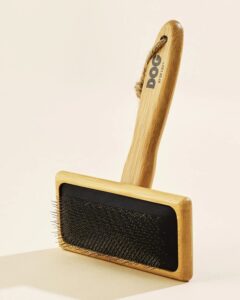
 DOG By Dr Lisa Dog Brush
lovely everyday brush for dog parents who want something gentle and easy to use.

-
DOG By Dr Lisa Dog Brush
lovely everyday brush for dog parents who want something gentle and easy to use.