
How to Stop Your Dog From Licking Paws (Home Remedies That Work)
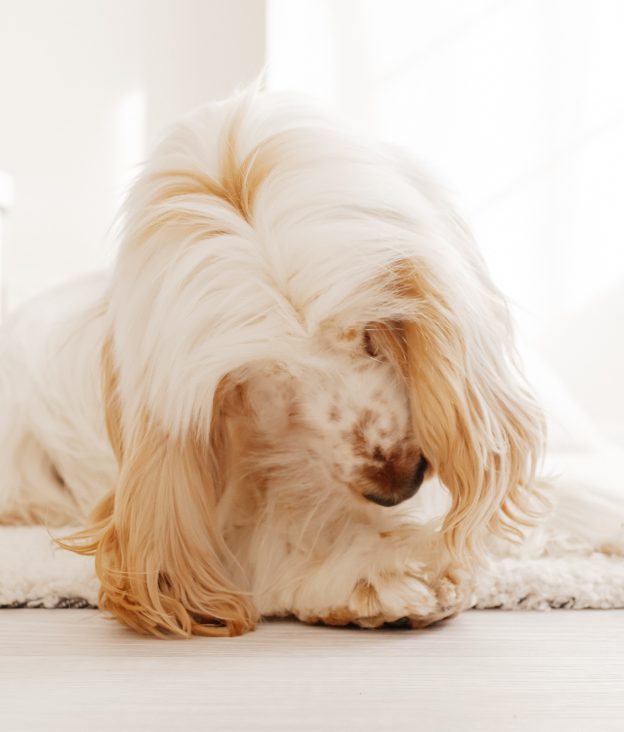
Press the 'paws' button on paw licking for good with these solutions and natural remedies.
If your dog won’t stop licking their paws, you’re not alone. It’s one of the most common concerns among dog parents, and the good news is there are real solutions.
The key is figuring out what’s behind it. Excessive paw licking almost always has a root cause, and once you know what it is, you can choose a remedy that actually helps.
In this guide, we cover why dogs lick or chew their paws, plus 11 remedies, including home remedies to stop dog licking paws if you want to go the all-natural route.

Why Do Dogs Lick Their Paws? 6 Reasons Explained
1. Allergies
Allergies are the most common cause of excessive paw licking in dogs. Just like humans, dogs can react to a wide range of triggers, with food allergies, environmental allergens, and contact irritants being the most frequent culprits.
When it comes to food allergies in dogs, proteins like chicken or beef tend to top the list, though carbs, preservatives, and dyes can also cause reactions. If food allergies are the issue, switching to a limited ingredient or raw food diet is often recommended.
Environmental and seasonal triggers like pollen, mold spores, dust mites, and grass can cause itching, redness, sneezing, watery eyes, and ear infections. Dogs with these allergies often lick or bite their paws repeatedly, and some develop skin infections or hot spots from the constant irritation. According to this report, environmental allergies in dogs are on the rise.
Dogs can also react to things they come into direct contact with, like certain chemicals, fabrics, detergents, and grooming products.
2. Yeast infections
You’ll usually know if your dog has a yeast infection before you even look at their paws. The smell is a giveaway.
A sour odor (often called Frito feet in dogs), red skin, or darkened patches between the toes are all classic signs. Yeast and bacteria thrive in damp spots, and once your dog starts licking, it keeps the area moist, creating the perfect cycle for things to grow. Drying paws thoroughly after walks helps break that cycle. If the skin looks swollen or sticky, a vet can prescribe wipes or shampoo to clear it up.
The overproduction of yeast causes irritation that drives excessive paw licking, and the warm, moist areas between paw pads are a prime breeding ground. When dogs lick their irritated paws, secondary bacterial infections can follow, which typically requires antifungal treatment to resolve.
Yeast infections can also signal an underlying weakness in your dog’s immune system, so finding the root cause matters. If your dog is prone to them, it may also be a sign your dog needs probiotics in their diet.
3. Separation anxiety or boredom
Paw licking isn’t always physical. Boredom and stress are surprisingly common triggers.
A dog suffering from boredom may start licking their paws simply to have something to do. Separation anxiety can cause the same behaviour, alongside other signs like barking and chewing furniture. Licking becomes a way to self-soothe while waiting for you to come home.
Some breeds are more predisposed to anxiety and obsessive-compulsive tendencies, making paw licking an easy habit to fall into.
4. Pain, injuries or arthritis
Dogs will often lick a sore spot instinctively, whether it’s an injury, a joint ache, or arthritis.
You might notice redness or swelling around the affected paw, or your dog may flinch when you try to examine it. In some cases, the licking is their way of drawing attention to the discomfort. Any sudden change in licking habits is worth paying attention to.
5. Parasites
Fleas, ticks, and mites can all trigger compulsive licking, chewing, or scratching. Ticks are usually easy to spot, but fleas often go undetected until an infestation is well underway, and mites are invisible to the naked eye.
Skin reactions from parasites can range from mild to severe, with symptoms including pimples, hives, crusting, and excessive paw licking. Don’t rule them out just because you can’t see anything.
6. Dry skin
Dry, cracked paw pads are uncomfortable, and dogs will lick them in an attempt to find relief.
Causes range from hot spots and over-bathing to cold or dry weather, and some breeds are more prone to it than others. Without moisture, dry skin becomes itchy and can crack, making it a regular source of irritation for your pup.
How to Tell if Paw Licking Is a Sign of a Serious Problem
Most dogs groom themselves occasionally, but constant licking usually means something is off. Check the skin closely for redness, swelling, or scabs, which often point to allergies or injuries. Limping or reluctance to use stairs can signal physical pain. If cleaning with a gentle antiseptic and other basic home remedies to stop dog licking paws aren’t helping after a few days, it’s time to see a vet.
11 Remedies to Stop Dog Licking Their Paws
Medicated Dog Shampoos and Topical Treatments
If your dog is licking their paws due to allergies or a bacterial infection, topical treatments like sprays or creams containing hydrocortisone, or medicated shampoos like Pet Honesty’s Chlorhexidine in the U.S., can help restore a healthy balance of organisms on your dog’s skin.
Allergies can be tricky to diagnose and treat, so it’s always worth talking to your vet first to identify the source and get the right treatment plan in place.
Change Their Diet
Excessive paw licking can sometimes trace back to yeast overgrowth triggered by a food allergy. If that sounds familiar, it’s worth taking a close look at what your dog is eating and talking to your vet about options like switching to a raw dog food diet or a hypoallergenic kibble.
TIP: If your dog suffers from food allergies, we highly recommend Royal Canin Anallergenic Dry Food. Our cocker spaniel, Ziggy, experienced frequent yeast infections for years before switching to this diet which helped to resolve his allergies. Always consult with your vet before changing your dog’s diet.

Bathing and Paw Balms
For dry or cracked paws, a regular bath can go a long way. Try a pet-formulated high-quality dog shampoo or a gentle baby shampoo, and make sure to dry the paws thoroughly afterward, especially between the toes where moisture tends to linger.
Follow up with a soothing natural paw balm to lock in moisture and protect the skin.
Boredom Busters and Exercise
If boredom or anxiety is behind the licking, more mental stimulation and physical activity can make a real difference. Aim for at least 30 minutes of walking every day, and try some dog enrichment ideas when your dog is home alone.
Teaching your dog to redirect their chewing to toys or bones is also a great outlet for stress and can help replace the paw-licking habit over time.
Eliminate Parasites
If parasites are the cause, your vet can point you toward the right flea and tick treatment. Beyond that, wash your dog’s bedding regularly, vacuum carpets and upholstered furniture, and treat any other pets in the household too.
Try a Bandage or Socks
Sometimes the simplest solution is the most effective. Covering your dog’s paw with a light bandage or a sock can be enough to break the licking cycle. For some dogs, out of sight really is out of mind, and a few days of coverage is all it takes.

Natural Home Remedies to Stop Paw Licking
If you’d prefer to go the natural route, these home remedies to stop dog from chewing paws can be effective depending on the root cause.
Chamomile Tea
Chamomile is well known for its anti-inflammatory properties, which makes it a great natural option for soothing irritated paws. It also has antimicrobial qualities that can help prevent secondary infections from excessive scratching.
You can use it as a chilled compress, a foot soak, or diluted in a spray bottle for easy application.
Oatmeal Bath
An oatmeal bath is one of the most effective home remedies to stop dog from licking paws caused by itchy, irritated skin. Grind plain oatmeal into a fine powder, dissolve it in a warm bath, and let your dog soak for 15 to 20 minutes. The anti-inflammatory properties help calm the skin and ease the urge to lick.
Apple Cider Vinegar
Diluted apple cider vinegar is a popular home remedy to stop dog licking paws, and it works well for mild irritation. Mix equal parts apple cider vinegar and water in a spray bottle and lightly mist the paws.
Just be careful to avoid applying it to any broken or raw skin, and keep it away from your dog’s ears, eyes, and genital area, as it can sting.

Coconut Oil
Virgin, unrefined coconut oil is a wonderful natural remedy for dry, itchy paws. Its moisturising and soothing properties ease dryness and discomfort, which can reduce the urge to lick. Start with a small amount to see how your dog’s skin responds. You can also work it into a treat by using it in these homemade dog treats.
Baking Soda
Baking soda is a natural anti-inflammatory and acid neutraliser that can bring quick relief to irritated paw skin. Mix 1/2 cup (120 ml) into a bucket of warm water and let your dog soak for 10 minutes, two to three times daily.
Keep your pup occupied during the soak with some dog treats, and double the mixture for larger dogs or use the bathtub if needed.
When to Be Concerned About Paw Licking
If the licking isn’t letting up, watch for these warning signs:
- Lick granulomas: a persistent skin condition caused by constant licking
- Limping: could mean something is lodged in the paw, like a grass seed
- Red paws: redness and irritation between the toes or pads
- Bleeding: licking to the point of bleeding is a red flag
- Visible signs of injury or infection
If your dog is showing any of these symptoms, book a vet visit sooner rather than later.
Need to speak to a vet now?

Talk to a licensed veterinarian in minutes with Vetster, the top-ranked pet health app available 24/7.
Get professional guidance and receive a care and treatment plan, right from the comfort of your home.
It’s quick, convenient, and trusted by pet parents everywhere.
Pretty Fluffy is the ultimate lifestyle destination for dog lovers. Discover the best designer dog brands and emerging small pet businesses, the latest dog accessories, healthy dog treat recipes, dog training tips and more. Thank you for being part of our dog-loving community!


Shell & Katy are two style-savvy dog mums celebrating the best in pet-friendly living. A pet photographer and dog lifestyle writer, together they share trending pet products, recipes, inspiration and expert tips with discerning dog lovers around the world.


-
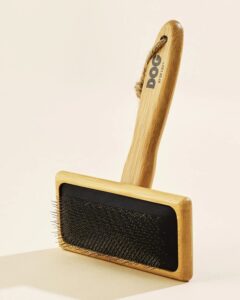
 DOG By Dr Lisa Dog Brush
lovely everyday brush for dog parents who want something gentle and easy to use.

-
DOG By Dr Lisa Dog Brush
lovely everyday brush for dog parents who want something gentle and easy to use.