


How to Prepare Your Dog for a Baby
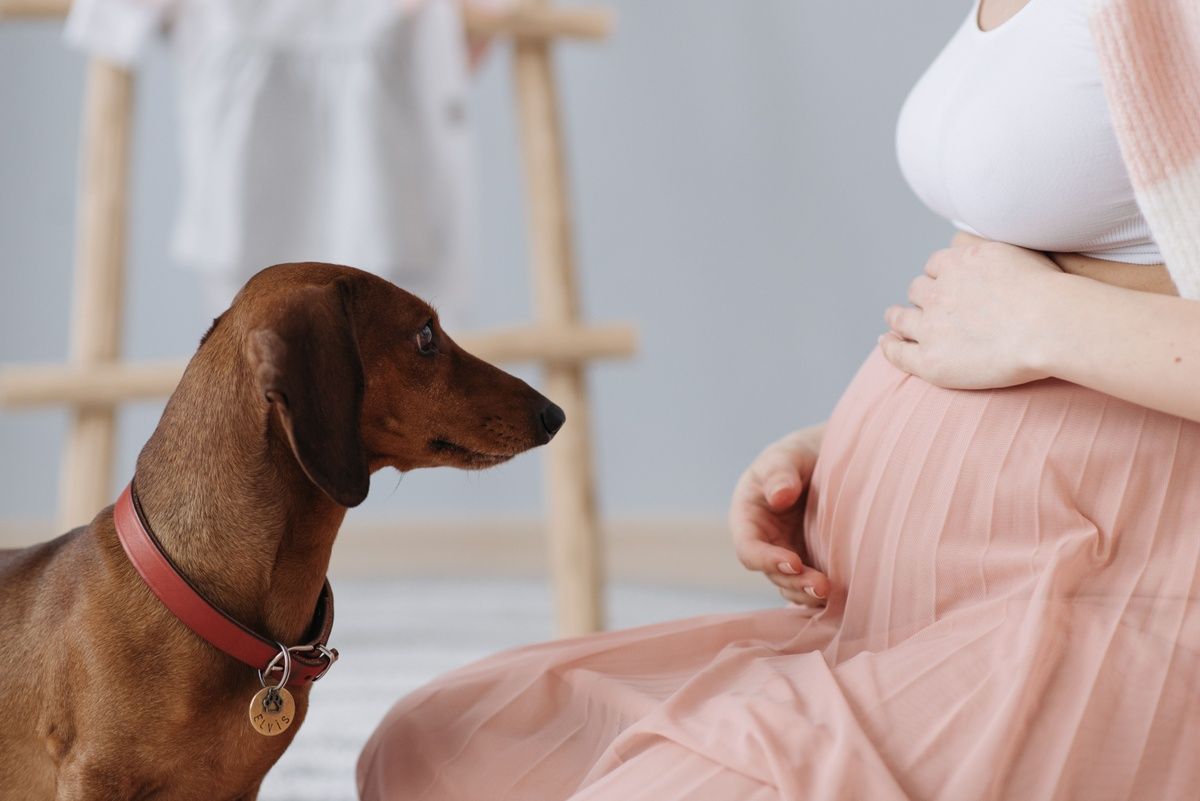 Pets & Kids
Written by
Serena Faber-NelsonUpdated 5 August 2026 · 15 Min Read
Pet lifestyle expert Serena Faber-Nelson is the founder of Pretty Fluffy. A contributor to Everyday with Rachael Ray, Modern Dog Magazine, Cesars Way and more; her modern, stylized take on DIY dog treats has seen her recipes viewed millions of times over. Serena is the author of the go-to dog mom bible, Dog Mama, and the popular dog treat recipe book, Healthy Homemade Dog Treats.
Search this topic and you will get an infinite number of responses. Now that I am in the home stretch of my own pregnancy I have been researching like nothing else to prepare myself, and Soda, for the changes that lie ahead.
Trouble is, a lot of these so-called guides are written by baby and mommy sites that put all the focus on the newborn and pretty much treat the dog like a troublesome piece of furniture. Seriously. When I first found out I was pregnant I could not believe some of the awful, misguided information that was out there. I even read one guide that said to teach your dog to expect to miss a meal every so often. Well, that is not going to happen on my watch.
Here at Pretty Fluffy we believe dogs are an important and integral part of the family, valued and loved just as much as every other member. So this guide comes from months of research and expert fact checking, and it also comes from the heart.
If you are expecting and you want a happy, healthy home for your new baby, your family and your pooch, here is everything we have learned.
Where to Begin Before Your Baby Arrives
Start three to four months before your due date. Gradually vary walk times and swap who takes your dog out, teach house rules and any off-limits zones now rather than later, introduce baby sounds and scents at low intensity paired with treats, and set up strollers and swings early so they become background furniture.
Give your dog a quiet retreat they can always reach. Making every one of these changes before the baby comes home is the whole point, because it means your dog associates them with ordinary life rather than with the new arrival.
That last part is the piece most guides miss. A dog who loses their spot on the sofa the same week a newborn appears draws a very reasonable conclusion about who is responsible. A dog who lost that spot three months earlier simply has a new normal.
When to Start Getting Your Dog Ready for Baby
Animal behavior specialists recommend a three to four month runway so your dog can adjust at their own pace. Here is a rough timeline you might follow.

Four months out
Begin tweaking the everyday things. Vary walk times, alternate who handles the outings, and start sprinkling in new baby-type smells and gear. If your dog has any existing behavior issues, from jumping to leash pulling to resource guarding, this is the window to work on them properly, ideally with a trainer.
Two months out
Introduce baby-related items in earnest. The stroller, the high chair, the bouncer, the toys. Start sound exposure at low volume so baby noises are not brand new when the real thing arrives.
The final weeks
Firm up who will care for your dog while you are in the hospital, and make sure that person genuinely knows your dog. Pack their supplies alongside your hospital bag. Confirm any baby gates are installed and that your dog is already comfortable with them.
Starting this early means that when your baby arrives you are dealing with fewer surprises, and your dog is dealing with almost none.
Keeping Exercise and Routine on Track
The number one thing you can do to keep your dog happy, healthy and calm during the arrival of your new baby is a daily walk. You can buy your dog every frozen treat and toy under the sun, but without a daily outlet to release energy and get outside, even the best dogs become depressed and destructive. Looking after a newborn and walking your dog sounds like mission impossible, but with a little planning it can absolutely be done.
Vary the walk times now
DO start shifting the timing of walks and outings. Your dog still gets their daily walk, they just stop expecting it at a fixed hour. Because really, if you have been up with a baby all night, is a 6am walk going to sound appealing?
Share the walking duties
DO start varying who goes on walks and outings. Do not leave dog walking to one family member. Your pup needs to be comfortable heading out with several different people, so that when one of you is occupied the other can step in. We started doing this and my husband affectionately calls them Daddy/Daughter walks.
Line up backup before you need it
DO consider doggie daycare or a local dog walker if it all seems like too much. Knowing your dog is out enjoying themselves will do you both good.
DON'T wing it. Make a written plan for how your dog's activity will be covered in those first few months and stick to it. This one is non-negotiable. A well exercised dog is a happy dog.
Training Skills to Teach Before the Due Date
If your household has had a relaxed attitude to rules until now, it is time for a change. Once you find out you are pregnant there is no better time to teach or reinforce the basics. When your dog understands what is expected of them, they feel secure in their place in the family when the baby comes.

Sit, stay, settle
DO make sure your dog has solid basic commands like sit, drop and stay. Enlist a trainer if you need to, because these will be invaluable when you are introducing fur-child number one to human child number two. Always use positive reinforcement, treats and praise. It gets the best results and it strengthens your bond at the same time.
Settle is the underrated one. A dog who can lie calmly on a mat with a long-lasting chew while you feed the baby on the sofa is worth a hundred perfect sits. Practice it behind a baby gate too, so your dog learns that being on the other side of a barrier is relaxing rather than a punishment.
House rules and off-limits zones
DO clearly define any off-limits areas well before the baby's arrival. If the nursery is going to be a no-go zone, get your dog used to that months ahead of your due date so they never link being excluded with the presence of the baby. If you would rather your dog keep access to the room, walk them in with you now and let them investigate the nursery setup calmly, with a treat for good behavior.
DON'T introduce new rules on homecoming day. If your dog will no longer be allowed on the furniture, or you want to stop them jumping up, teach those rules during pregnancy.
Walking beside a stroller
Your walks are about to change shape entirely. Practice now: load the empty stroller with treats and reward your dog for staying beside you as you push. Ten minutes a week for a couple of months will save you a very undignified first outing.
Introducing Baby Sounds, Smells, and Equipment
Your four-legged family member is about to face a lot of new stimuli at once: unfamiliar noises, strange smells, and a completely different household rhythm. Introducing each one gradually, on its own, makes an enormous difference.
Playing recordings of a baby crying
Baby cries can be genuinely startling to dogs. Build a positive association by playing recordings at low volume while your dog is doing something they enjoy, whether that is chewing a toy, lying in their bed, or having a cuddle. If they stay relaxed, increase the volume slowly across the following weeks.
Keep sessions short, two to five minutes to start. If your dog shows signs of stress such as panting, hiding, or freezing, drop the volume or stop for the day. The goal is familiarity, not tolerance of something frightening.
DO use a purpose-made set of sounds if you can. I highly recommend Tell Your Dog You're Pregnant by veterinarian and animal behaviorist Dr Lewis Kirkham, which lets you see exactly how your dog reacts to the full range of baby noises. Soda could not have cared less about the crying track, whereas my husband and I wanted to switch it off after sixty seconds. You can read our full review of the book here.

Baby lotion, powder, and clothing
Dogs read the world through scent, so introducing baby smells early helps them file the new arrival under family rather than under sudden disruption.
Apply a little baby lotion or powder to yourself so the smell arrives attached to someone your dog already trusts. Ask a friend with a baby for an unwashed blanket or outfit and let your dog sniff it calmly while you praise them. Pair every new scent with something good, a treat or a fuss, so the association is positive from the start.
Strollers, swings, and gear
DON'T bombard your dog with baby gadgets in one go. In the lead up to the birth, let them see each new item up close and at their own pace. Wheel the stroller around, fill the baby bath, switch the swing on. Whatever you plan to use when the baby comes home, your dog should have met it first. The last thing you want is your dog chasing the stroller wheels on baby's first outing.
Setting Up a Calm Retreat at Home

Pregnancy and the lead up to birth can get stressful very quickly. It is a whole new adventure for all of you. A calm space within the home protects everybody's wellbeing, dog included.
DO give your dog a warm, safe spot to curl up in, well away from where the baby will spend most of their time. Knowing they have somewhere that belongs to them offers a retreat whenever things get loud. A quiet corner with a properly comfortable bed is all it takes. If your dog already loves a crate, keep it accessible rather than packing it away.
DON'T decide that now is the moment to move your indoor dog outdoors. Your dog is a social animal, and banishing them outside to make room for a new baby leaves them isolated and confused.
DON'T raise your voice at your dog when you are stressed. Dogs read our stress levels and absorb them. If you are frustrated or upset, leave the room and take a few deep breaths. Lean on your dog's training, delivered calmly, and you will get calm behavior back.
What to Do If Your Dog Is Spoiled or Very Attached
Let us be honest about this one, because it is the question a lot of us are quietly asking. If your dog sleeps in your bed, sits on your lap through every meal, follows you into the bathroom and has never once in their life been told no, a baby is going to be a significant adjustment. That is not a character flaw in your dog. It is simply the arrangement the two of you built together, and it can be renegotiated gently.
The approach is the same as everything else in this guide. Change things early, change them slowly, and never let the baby be the visible cause. Work on one habit at a time, with a good six to eight weeks between each.
Rebuild independence gradually
If your dog cannot settle without physical contact, start rewarding them for lying a short distance away rather than pressed against you. Toss a treat to their bed while you stay put. Build the distance over weeks, not days. The aim is a dog who can relax three feet away, not a dog who has been shut out.
Move sleeping arrangements early
If your dog is coming off the bed, do it now, and make the alternative genuinely appealing. A bed beside yours first, then gradually to wherever you want it to live. Doing this months ahead means it has nothing to do with a bassinet appearing.
Reduce constant attention on your terms
Rather than ignoring your dog, which is the advice I see everywhere and dislike intensely, change when attention happens. Initiate affection yourself at set points in the day so your dog stops needing to ask for it constantly. They still get plenty. They just stop relying on it being available every single minute.
None of this means loving your dog less. It means giving them the skills to be content when your hands are full.
Making a Plan for the Hospital Stay
You never know when a baby is going to decide to turn up. The last thing you want is the whole family rushing off in the middle of the night with nobody returning for days, leaving your pooch alone and bewildered.
DO have a written plan. Before you pack your hospital bag, decide who is caring for your dog and put everything they need on paper: feeding amounts and times, medication, walk routine, your vet's details and an emergency contact.
DON'T enlist a stranger. Whoever looks after your dog should have visited beforehand, walked them, and fed them at least once. That way your dog greets them with delight rather than suspicion at two in the morning.
DO greet your dog normally when you come home. Do not have all your focus on the new baby in those first few minutes. Your dog has missed you, and treating your return like an ordinary day keeps the whole household calm.
The First Meeting Between Dog and Newborn

While you are still in the hospital, send home a blanket or wrap carrying your baby's scent. Ask your dog to sit calmly, then let them sniff it without being allowed to carry it off. By the time the baby physically arrives, that smell is already familiar.
On homecoming day, go inside and greet your dog on your own first, without the baby. Let them get the excitement out of their system. Then have your partner or a family member carry the baby in while you handle the dog, ideally with a lead attached so you have gentle control if you need it.
Keep that first introduction short and unremarkable. Let your dog sniff from a comfortable distance while you talk to them in an easy, normal voice. Reward calm behavior with a treat. Then let them wander off if they want to. A dog who loses interest and goes for a nap is a dog who has decided the baby is not a big deal, which is exactly the outcome you want.
Never leave your dog and your baby alone together, no matter how gentle your dog is or how long you have had them. Supervision means being actively present and undistracted, not being in the same room with your phone.
Signs Your Dog Is Not Coping With the Change
Most dogs settle into life with a newborn within a few weeks. Some need more help, and the earlier you spot it, the easier it is to put right. Watch for pacing, whining, hiding, excessive panting, refusing food, lip licking, yawning when nothing is tiring, or turning their head away whenever the baby is close. Learning to read your dog's body language properly is one of the most useful things you can do before the baby arrives.
Stiffening, freezing, growling, or showing teeth around your baby is a different matter. That is not something to work through at home. Contact your veterinarian promptly and ask for a referral to a qualified veterinary behaviorist. VCA Animal Hospitals advises that dogs who have previously shown aggression toward babies or children need professional assessment before any introduction is attempted. Seeking that help does not mean you have a bad dog. It means you are taking both family members seriously.
Protecting One-on-One Time After the Arrival

For a lot of us, the dog came first. Many were on the scene long before any partners or children came along. Your time is genuinely more limited now, which is exactly why carving out a little of it deliberately matters so much. DO spend some quality one-on-one time with your dog every single day, and treat it as non-negotiable rather than a nice-to-have.
It does not have to be elaborate. A short cup of tea in the sun together, five minutes of fetch, a proper grooming session. These small pockets of time are what keep the bond between the two of you strong, and honestly, they recharge you as much as they do your dog.
The months after the birth are their own project, and plenty of dog moms have walked it before you. There is a lot of hard-won wisdom in these hints for living with a dog and a baby once the newborn haze lifts.
One last thing worth planning for. When you return to work, your dog's routine changes all over again. Prepare them for that shift the same way you prepared them for the baby, gradually and in advance, so it does not land as another surprise.
What are your tips for preparing your dog for a new family member, two legged or four legged? I would love to hear them.
Pretty Fluffy Recommends
Tell Your Dog You're Pregnant: An Essential Guide for Dog Owners Who Are Expecting a Baby by Dr Lewis Kirkham. If you are an expecting parent who would love to see your dog and your baby share a loving family bond, this book is a must-read. Packed with practical tips and behavioral expertise, the step-by-step guide also includes downloadable baby sounds soundtracks to familiarize your dog with everyday noises like crying, toys, giggling and splashing.
FAQ
Frequently asked questions
01How long before the baby should I start preparing my dog?
Three to four months before your due date is the recommended window. That gives you time to change routines, teach new house rules, and introduce baby sounds and gear one at a time, so none of it coincides with the baby actually arriving.
02Can my dog sleep in the same room as a newborn?
A calm, well-trained dog can be in the room while you are awake and present. Keep the baby's sleeping space separate and physically inaccessible, and never leave the two of them unsupervised overnight or at nap times.
03Do dogs know to be gentle with babies?
Not instinctively. Some dogs are naturally soft-mouthed and cautious, but gentleness around infants is taught through calm, supervised introductions and consistent positive reinforcement rather than assumed.
04Should newborns be kept away from dogs entirely?
No, and doing so tends to build curiosity rather than reduce it. Supervise every interaction closely, keep early introductions short and relaxed, and give your dog the option to walk away whenever they want to.
05How long does it take for a dog to adjust to a new baby?
Most dogs settle within a few weeks, though it can stretch to a few months depending on temperament and how much preparation happened beforehand. Dogs who were prepared in advance almost always adjust faster.
06What if my dog seems jealous of the baby?
Jealous behavior usually signals a dog who has lost predictability rather than one competing for affection. Reinstate a reliable daily routine, protect a short window of one-on-one time, and speak to your vet if the behavior escalates.
Related Reading


Share a thought, ask a question, or tell us about your own dog. We read every comment.