


Can Dogs Eat Blueberries? The Berry Basics
 Dog Nutrition & Diet

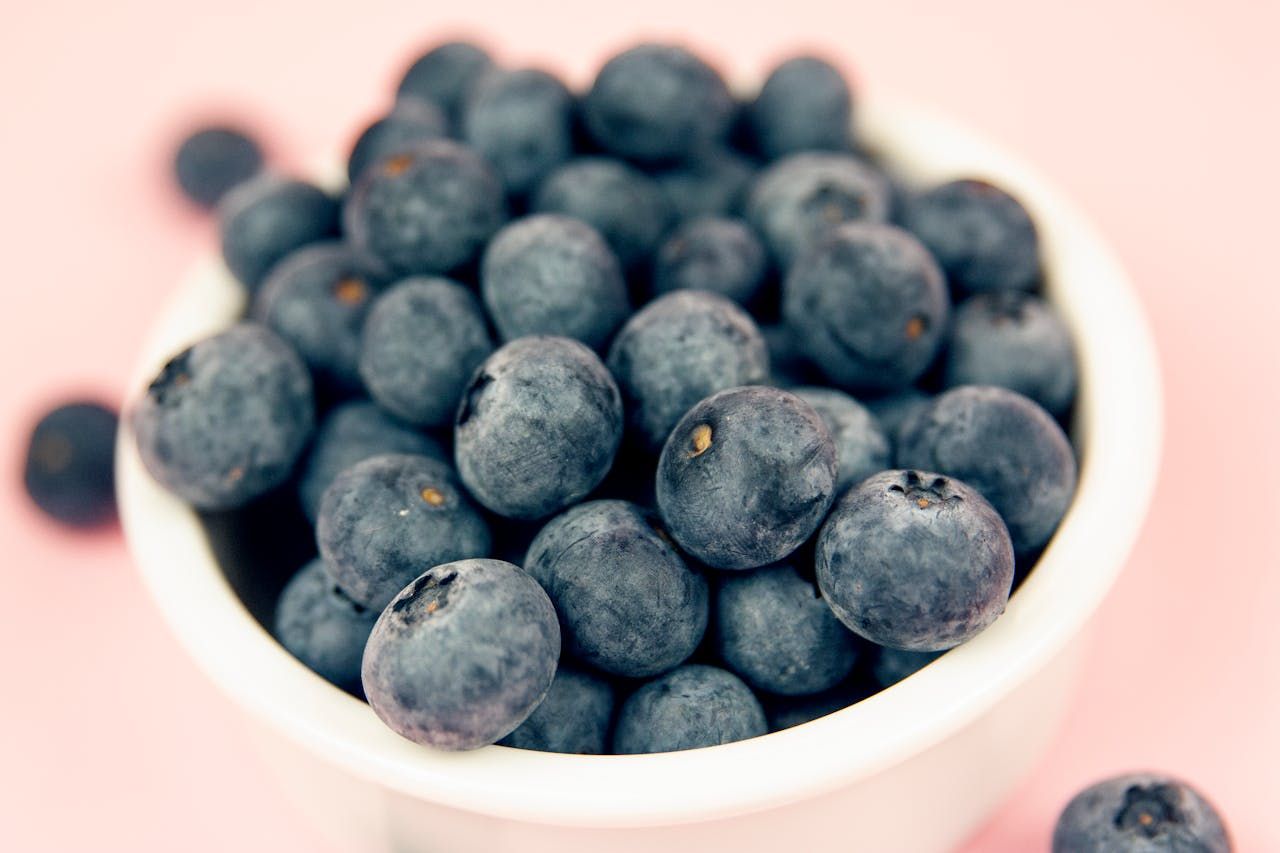
Blueberries are small enough to tuck into a training pouch and soft enough for a puppy's mouth, which is a big part of their charm as a dog treat. So, can dogs eat blueberries? Yes. Plain fresh or frozen blueberries are safe for most healthy dogs in small handfuls, and they are one of the lowest-calorie fruits to share.
They earn an easy place on this list of dog-safe fruits, with a few house rules on portions and form.
Are Blueberries Safe for Dogs?
Blueberries are safe for most dogs and are not poisonous. Offer plain berries, rinsed and checked for mold, as an occasional treat in small amounts. The real risks are practical ones: choking in tiny or gulping dogs, loose stools from too many, and the sugar and sweeteners in blueberry muffins, jams and flavored yogurts.
That makes them very different from grapes, which are toxic to dogs in any amount, even though the two often sit side by side in a fruit bowl.
Choking Risk for Pomeranians and Other Toy Breeds
A whole blueberry is the right size to slip down the wrong way in a Pomeranian, Chihuahua or Yorkie. For toy breeds, halve or lightly mash each berry. Dogs of any size who inhale their treats do better with berries scattered in a puzzle toy, such as the Odin treat puzzle, rather than poured into a bowl.
Dogs Who Should Skip Blueberries
Dogs with diabetes should only have fruit with their vet's approval, and dogs on a prescription diet or elimination trial should skip extras altogether.
A tummy that is often unsettled may be happier with these dog foods for a sensitive stomach than with new treats.
Are Blueberries Good for Dogs? Fiber, Vitamins and Antioxidants
In small amounts, yes. About 25 blueberries come to roughly 20 calories, so each berry is under 1 calorie, which makes them an easy swap for richer homemade dog treats on days your dog has already had plenty.
What a Handful of Blueberries Adds
- Fiber: about 2.4 grams per 100 grams, helpful for digestion in small amounts.
- Vitamin K and vitamin C: modest amounts. Dogs make their own vitamin C, so it is a top-up rather than a need.
- Water: about 84 percent, which is why they blend so well into a dog-friendly berry smoothie.
- Sugar: roughly 10 percent by weight, which is why portions stay small.
Antioxidants in Blueberries, in Proportion
Blueberries are rich in anthocyanins, the pigments behind their deep color and the reason they are often called a superfood. Most of the research on their benefits comes from people and laboratory studies, with only small studies in dogs. A few berries are a nice extra, not a treatment.
For more whole foods with real nutritional value, this guide to superfoods for dogs is a good next read.
Blueberry Yogurt and Dogs
Blueberries and yogurt are a lovely pairing for dogs, as long as you make it yourself. The berries are not the concern with blueberry yogurt. The tub is.
Plain Yogurt With Fresh Blueberries
A spoonful of plain, unsweetened yogurt with a few fresh berries pressed in is a safe treat for most dogs who handle dairy well. This guide to yogurt for dogs covers which tubs to buy and how much suits each size.
Is Store-Bought Blueberry Yogurt Good for Dogs?
No. Flavored blueberry yogurt usually carries added sugar, and light or sugar-free versions may contain xylitol, which is toxic to dogs. If your dog has licked out a cup, check the label for xylitol or birch sugar, and call your vet straight away if either is listed.
Dogs who are sensitive to yogurt are often sensitive to other dairy too, as this guide to cheese for dogs explains.
Frozen and Dried Blueberries for Dogs
Frozen Blueberries on Hot Days
Frozen blueberries are safe for most dogs and make a crunchy, cooling treat. Rock-hard berries can be tough on small mouths, so let them soften for a minute or two for toy breeds and puppies.
For more cold ideas, these frozen dog treat recipes are easy to adapt with a handful of berries.
Dried Blueberries and Blueberry Baked Goods
Dogs can have a few unsweetened dried blueberries, but drying concentrates the sugar, so each dried berry counts for several fresh ones. Many packaged dried blueberries are sweetened or coated in oil, so read the bag and halve the usual portion. Blueberry muffins, pie, pancakes and jam are best skipped altogether, since they bring sugar, butter and sometimes xylitol.
How Many Blueberries Can Dogs Eat?
Veterinary nutritionists at UC Davis keep all treats, fruit included, to no more than 10 percent of a dog's daily calories. Blueberries are so light that calories are rarely the limit. Fiber and sugar are, so start small and offer them a few times a week rather than by the bowlful.
Blueberry Portions by Dog Size
- Toy (under 10 lb): 2 to 3 berries, halved.
- Small (10 to 25 lb): 4 to 6 berries.
- Medium (25 to 50 lb): 6 to 10 berries.
- Large (50 to 90 lb): 10 to 15 berries.
- Giant (over 90 lb): 15 to 20 berries.
Start at the low end the first time and wait a day to see how your dog's stomach responds before offering more.
Blueberries for Puppies and Senior Dogs
Can puppies eat blueberries? Yes, once fully weaned onto solid food. Offer one mashed or halved berry, introduce one new food at a time, and watch for loose stools. Soft, ripe berries also suit older teeth, though seniors with health conditions should get the vet's approval first.
How to Serve Blueberries to Your Dog
- Rinse the berries and toss any that are soft, split or moldy.
- Scatter a few on a snuffle mat or across the lawn for a sniffing game.
- Mash them onto a lick mat or slow feeder with a little plain yogurt and freeze.
- Stir a few into plain pumpkin for a gentle topper.
- Drop a few into the water bowl on a warm day for a bobbing game.
Too Many Blueberries: Signs to Watch
Too many berries usually mean an upset stomach rather than an emergency. Watch for loose stools, gas or vomiting, and skip treats for a day if they appear. These home remedies for dog diarrhea cover gentle care, and when it is time to call.
A big helping can also tint stool or teeth dark blue, which is harmless. Black, tarry stool in a dog who has not eaten berries is a different matter and needs a vet promptly, as does vomiting that will not settle.
Sharing Blueberries With Your Dog
Rinsed, plain and portioned to size, blueberries are one of the simplest fruits to share, whether fresh from the carton, frozen on a warm afternoon, or pressed into a spoonful of plain yogurt.
For variety, seedless watermelon for dogs is another light, hydrating choice.
Peeled bananas for dogs are a soft, sweeter option for the rotation.
Sources
- UC Davis Veterinary Medical Teaching Hospital, Nutrition Service. Treat Guidelines for Dogs.
- USDA FoodData Central. Blueberries, raw (FDC ID 171711).
- Tufts Cummings School of Veterinary Medicine, Petfoodology. Harmful vs Healthy Foods for Pets.
Related Reading


Share a thought, ask a question, or tell us about your own dog. We read every comment.