


Can Dogs Eat Peas? Plain and Green
 Dog Nutrition & Diet

Peas turn up in more dog bowls than most people realize, often printed right on the kibble bag. So, can dogs eat peas straight from the kitchen too? Yes. Plain green peas are safe, low in calories and one of the easier vegetables to share, whether fresh, frozen or lightly cooked. The cautions are about salt, seasoning, crunchy pea snacks and a few dogs whose health calls for fewer of them.
Are Peas Good for Dogs?
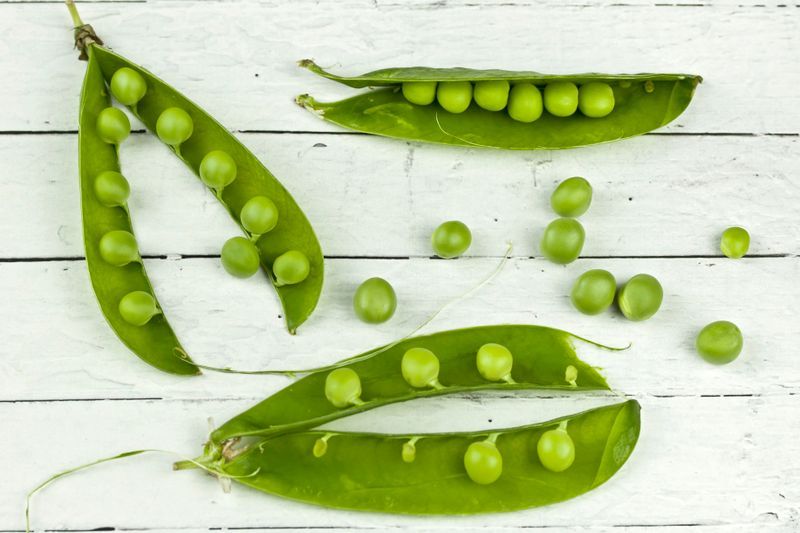
Peas are good for most dogs in small amounts. Plain green peas, snap peas and snow peas are non-toxic and offer fiber, plant protein and vitamins with very few calories. Serve them fresh, frozen or cooked without salt, butter or onion, and keep them under 10 percent of daily calories. Skip canned peas with added salt and seasoned pea snacks.
The same rule that applies at a holiday table applies here: plain is safe, and the trouble comes from cream, bacon and butter, as these Thanksgiving foods dogs can eat, served plain show.
Pea Nutrition, Calories and Fiber
According to USDA data, cooked frozen peas carry about 78 calories, 5 grams of protein and 5 grams of fiber per 100 grams, along with vitamin K, vitamin C and a little potassium. A level tablespoon works out to roughly 8 calories, which makes peas a gentle way to add volume to a meal without much energy.
That low calorie count is why peas suit dogs who need to lose a little weight, alongside a vet-guided plan and the wider picture in this look at pet obesity and the fat pet gap.
Peas in Dog Food and the DCM Question
Many grain-free dog foods list peas, lentils or pea protein high on the label, and the FDA has looked into reports of dilated cardiomyopathy, a heart condition, in dogs eating these diets. To date the FDA has not found a causal link and has said pulses are not inherently dangerous. It advises talking to your vet before changing foods.
A spoonful of peas as a treat is a very different thing from a diet built on pea protein, and this guide to choosing healthy dog food walks through how to read those labels.
How Many Peas Can a Dog Eat?
These starting portions assume plain, cooked or thawed green peas and a healthy adult dog. Daily is fine for most dogs if it fits the treat allowance:
- Toy dogs under 10 lb: about a teaspoon
- Small dogs, 10 to 25 lb: 1 to 2 teaspoons
- Medium dogs, 25 to 50 lb: about a tablespoon
- Large dogs over 50 lb: 1 to 2 tablespoons
Start at the low end. Peas are high in fiber, and a sudden spoonful too many can mean gas or soft stools. Whatever the portion, keep it plain, because onions and garlic in a pea side dish damage a dog's red blood cells in any form.
Dogs Who Should Limit or Skip Peas
- Dogs prone to urate bladder stones, including many Dalmatians, some English Bulldogs and dogs with a liver shunt, since vets often prescribe a low-purine diet and peas carry a moderate purine load
- Dogs with kidney disease or on any prescription diet, unless the vet approves
- Dogs with a sensitive stomach who get gassy on legumes
- Puppies, who need only a taste or two alongside their puppy food
If peas tend to leave your dog bloated or rumbly, these dog foods for a sensitive stomach are a gentler everyday base.
Green, Snap and Snow Peas for Dogs
Garden and English Peas, Raw or Cooked
Shelled garden peas, also sold as English peas, are safe raw or cooked. Raw peas are firmer, while steamed or boiled peas are easier on small, senior and flat-faced dogs.
Sugar Snap and Snow Peas, Pods Included
Sugar snap and snow peas are safe to eat pod and all. The pods are fibrous, so pull off the stringy seam and cut them into bite-sized pieces, or steam them for older dogs. They make a satisfying crunchy chew, much like the fresh snap of green beans for dogs.
Sweet Peas: the Can and the Flower
Canned "sweet peas" are simply garden peas, so the canned pea advice below applies. The climbing sweet pea flower is a different plant altogether. The ASPCA lists it as non-toxic to dogs, though it is toxic to horses, so a nibble in the garden is unlikely to be an emergency. Its pods and seeds are still not food, so keep them out of the treat jar.
Frozen and Canned Peas for Dogs
Frozen Peas as a Cool Treat
Plain frozen peas are one of the easiest treats in the freezer. Many dogs love them straight from the bag on a warm day. For small dogs, let them thaw for a few minutes so they are not swallowed whole and hard.
Canned Peas and Added Salt
Regular canned peas are packed with added salt, which is not ideal for any dog and especially unkind to dogs with heart or kidney disease. No-salt-added cans are fine when drained and rinsed. Skip peas that have been cooked with butter, garlic, onion or bouillon.
Chickpeas, Black-Eyed Peas and Other Legumes
Chickpeas and Hummus
Plain, well-cooked chickpeas are safe for dogs in small amounts, and canned chickpeas work if they are rinsed well. Hummus is a different story, since it usually carries garlic, lemon, salt and oil. Never offer dry, uncooked chickpeas, which are hard to digest.
Black-Eyed Peas
Black-eyed peas are beans rather than true peas, and they are safe cooked and plain. The traditional versions simmered with ham hock, bacon and onion are not, so set a spoonful aside before anything goes into the pot.
Split Peas and Pigeon Peas
Dried split peas and pigeon peas must be fully cooked until soft. A little plain cooked split pea is fine, but split pea soup is usually salty and made with ham and onion, so it stays on the human side of the table.
Wasabi Peas and Crunchy Pea Snacks
Wasabi peas, roasted pea crisps and seasoned pea snacks are best avoided. They are salty, often fried, and the wasabi or horseradish coating can burn a dog's mouth and upset the stomach. A dropped one is unlikely to cause harm, but a bowl of them is not a treat.
Edamame
Edamame are young soybeans. Plain, shelled, cooked edamame is fine in small amounts, but the tough pods are a choking hazard and salted edamame from a restaurant is too salty to share.
Peas and Carrots, Peas and Corn
Mixed bags of frozen vegetables are a handy shortcut, as long as the label lists vegetables only and no seasoning, sauce or onion. Peas pair beautifully with diced carrots for dogs, which add crunch and beta-carotene for very few calories.
Peas and corn are also fine together when the corn is cut off the cob, since the cob itself is a serious blockage risk, as this guide to corn for dogs explains.
Easy Ways to Serve Peas as a Dog Treat
- Toss a few frozen peas as a crunchy training reward
- Stir a spoonful of thawed peas into dinner as a topper
- Mash cooked peas onto a lick mat
- Scatter peas in the grass for a quick sniffing game
Pureed peas also freeze well in ice cube trays, and these frozen dog treat recipes show how to turn plain vegetables into summer treats.
For indoor enrichment, a handful of thawed peas tucked into one of these puzzle dog toys keeps a busy nose working for longer.
Signs Peas Disagree With Your Dog
Most dogs handle peas well. Watch for gas, a bloated belly, soft stools or vomiting after a new food, and scale back or stop if they appear. Call the vet if symptoms last more than a day, if a whole pod or a large amount of dried peas was swallowed by a small dog, or if a stone-prone dog has been eating peas regularly.
Plain, simple and small is the whole secret with peas. A spoonful from the freezer, a few snap peas from the garden or a little stirred into dinner gives most dogs a fresh, wholesome treat they will happily come back for.
Sources
- FDA: Questions and Answers on Potential Causes of Non-Hereditary DCM in Dogs
- Merck Veterinary Manual: Urolithiasis in Dogs
- ASPCA Animal Poison Control: Sweet Pea
Related Reading


Share a thought, ask a question, or tell us about your own dog. We read every comment.