


How to Teach a Dog to Play Dead
 Tips & Training
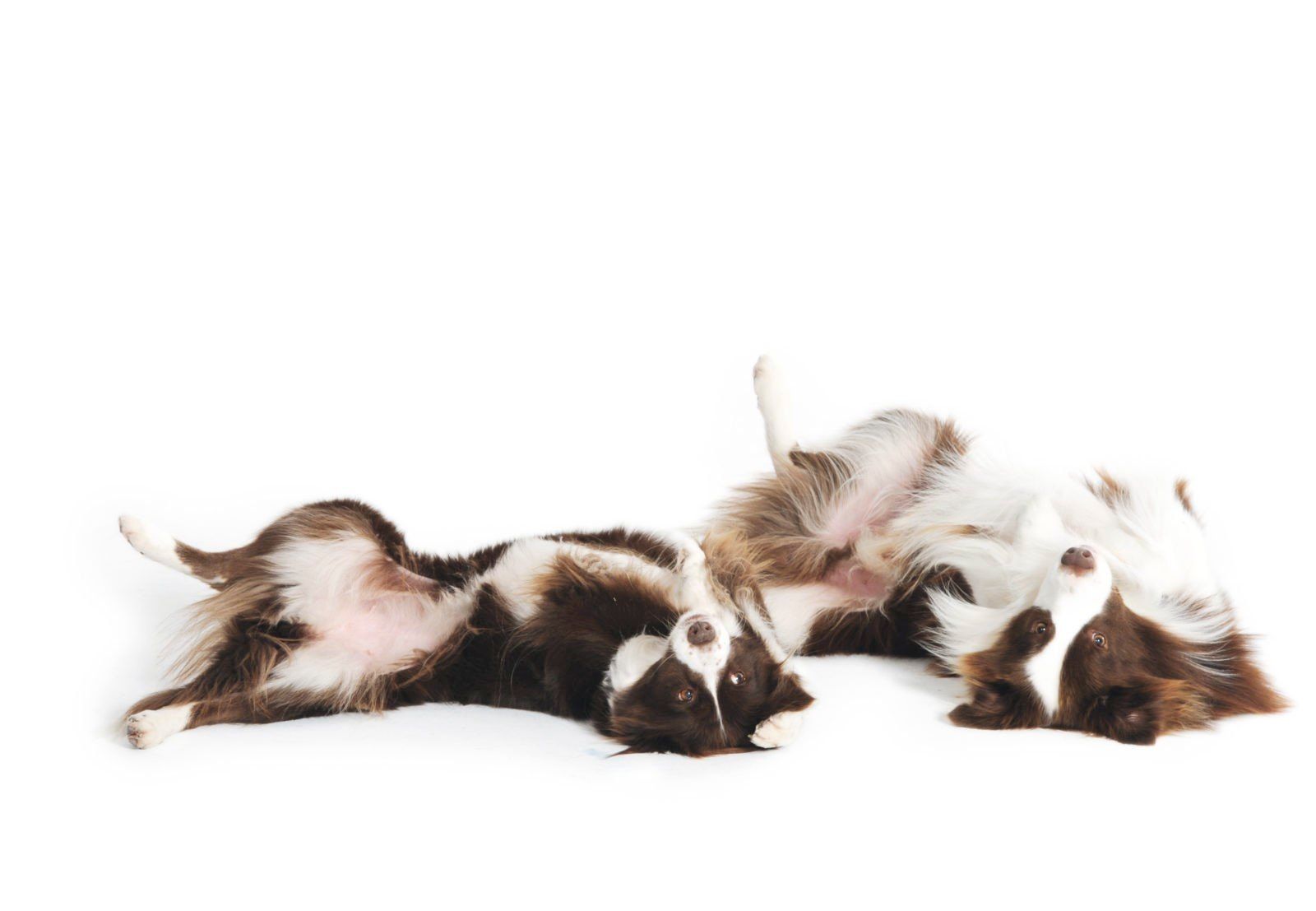
Soda never once played dead convincingly. She would flop onto her side with real commitment, hold it for roughly a millisecond, then pop straight back up looking delighted with herself. Occasionally, when I said "Bang," she offered me a high five instead. I have made peace with it. Learning how to teach a dog to play dead is less about producing a flawless performance and more about the ten minutes you spend on the rug together working it out, which is genuinely one of the nicest ways to spend a rainy afternoon with your dog.
What the Play Dead Trick Actually Is
It is a position change with a hold on the end. Your dog goes from standing or sitting, down onto their belly, then over onto their side, where they stay until you release them. Most people pair it with the word "Bang" or "Dead" and a hand signal shaped like a finger gun, though the cue is entirely up to you.
What makes it worth teaching is not the applause. Holding still on cue builds real impulse control, and the whole sequence gives your dog something to think about, which matters more than most of us realize. If your dog is the type who reorganizes the living room when bored, tricks belong in your toolkit alongside these easy ways to mentally stimulate your dog.
What Your Dog Needs to Know First
One prerequisite, and it is not negotiable: your dog needs a reliable down. Everything here starts from a relaxed dog already lying on their belly, so if the down is still wobbly, spend a few days polishing it before you go further. If you are starting further back than that, our guide to teaching a dog to sit is the right first step, and the three dog training basics that underpin every trick are worth reading before you start on any of them.
Train Your Dog to Play Dead in 7 Steps

To train a dog to play dead, start with your dog in a down on a soft surface. Hold a treat at their nose and move it slowly toward the shoulder on the side they are already leaning away from, so they have to roll onto their hip to follow it. Reward the first hint of a tilt, then gradually ask for more until they flop fully onto their side. Once the movement is smooth, add the word "Bang" just before you lure, then swap the treat in your hand for a finger gun signal. Most dogs pick it up over a few weeks of short, regular sessions.
1. Set Up a Soft, Quiet Space
Pick a room without squirrels at the window or a doorbell about to ring. Surface matters more than people expect: a rug, carpet, or yoga mat lets your dog roll without bracing, and a belly-up position on cold tile is a much bigger request than it looks. Have high-value rewards ready, ideally chicken, cheese, or something from your own dog treat recipes.
2. Start From a Relaxed Down
Ask for a down and give a treat just for settling. You want them on their belly with front paws forward, genuinely relaxed rather than coiled. If your dog springs back up, calmly ask again and wait for the moment they soften into it.
3. Lure the Nose Toward the Shoulder
Watch which hip your dog is already leaning on, because you want to move them further in that direction, not fight it. Hold a treat right at their nose, close enough that it stays interesting, and move it slowly on a diagonal back toward the opposite shoulder. Their head follows the treat, and their weight shifts onto one hip. Move slowly. Going too fast breaks the connection between nose and treat, and you lose them.
4. Reward the First Hint of a Roll
Keep the treat travelling toward their side until your dog has to tip onto their hip to stay with it. Reward that first small tilt generously, well before you have anything resembling the finished trick. If they stand up, reset to the down and go slower. This is the step people rush, and rushing it is the main reason dogs stall out.
5. Bring the Treat to the Floor
Once they are on a hip, lower the treat to the floor, either between the front paws or just behind the neck. Reaching for it should tip them fully onto their side. Praise softly and feed while they are still down, because feeding after they sit up rewards the wrong thing.
6. Name It
Once the roll is happening smoothly and predictably, start naming it. Say "Bang" or "Dead" clearly, then lure, then reward. Word first, movement second, treat third, in that order every time. Say the word only when you are confident the behavior is about to happen, or you will teach them that the cue means very little.
7. Fade the Lure and Add the Hand Signal
Now make a finger gun and use that motion instead of holding a treat. Give the signal, say the word, wait a beat, and reward from your other hand when they roll. Fade the food gradually. Strip the lure too early and your dog will look at you blankly while you both backtrack.
Teaching a Puppy to Play Dead
Puppies can absolutely learn this, and they often learn it fast. Adjust for the attention span rather than the ability. Three or four minutes is a full session for a young puppy, and two short sessions a day will get you further than one long one. Make sure the down is genuinely solid first, since a puppy who is still bouncing everywhere has not got the stillness this trick needs. Trick training is also a useful outlet for a puppy in the middle of the biting phase, alongside proper work on jumping and nipping.
Choosing Bang or Play Dead as Your Cue
Both work, and dogs have no opinion about which you pick. "Bang" pairs naturally with the finger gun and lands better as a party trick. "Dead" is clearer if you already use other short cues that sound similar, and some people simply prefer not to mime a gun at their dog.
Whichever you choose, commit to it, because swapping between the two mid-learning muddies the signal. Then add a release word such as "Okay" so your dog knows when the performance is over. That release is what turns a flop into a genuine hold.
When Your Dog Will Not Roll Onto Their Side
The surface is wrong. Slippery floors make dogs brace rather than roll. Move to carpet or grass and try again before you change anything else.
You are luring the wrong way. If your dog is leaning on their left hip and you pull the treat over their left shoulder, you are asking them to work against their own weight. Watch which way they are already tipping and go with it.
You are asking for too much at once. Go back to rewarding a tilt of a few inches. Build from there in small pieces rather than holding out for the full flop.
Your dog is uncomfortable. Exposing the belly is a vulnerable position, and some dogs are not ready to offer it, particularly anxious or newly adopted dogs. Learning to read your dog's body language will tell you whether you are looking at confusion or genuine unease. If it is unease, stop and come back to it in a few weeks.
One more thing: if your dog has hip or joint pain, lying down and getting up are already the hard parts of their day. Older, stiffer dogs are better served by a trick that stays off the floor, and a few senior dog essentials will do more for their comfort than any trick. Check with your vet if you are unsure.
Mistakes to Avoid in Trick Training
Never push your dog over. Physically rolling them creates resistance and chips away at the trust you are building. The point is that your dog chooses to move their own body.
Keep sessions short. Five to ten minutes is plenty, and you want to finish while they are still keen.
Do not train frustrated. Dogs read our mood immediately. If today is not working, end on something easy they know and pick it up tomorrow.
Do not stack it on a bad day. A cooped-up, understimulated dog is not in a learning frame of mind. Run through some indoor activities first and save the trick for afterward.
Give it a few weeks of short, cheerful sessions and you will have a party trick. Or, if your dog takes after Soda, you will have a dog who throws herself dramatically to the floor, bounces up half a second later, and offers you a high five. That counts too.
FAQ
Frequently asked questions
1How long does it take to train a dog to play dead?
Most dogs get there within a few weeks of short, regular practice. Some pick up the roll in a handful of sessions, others need longer to be comfortable on their side. Training two or three times a week in short bursts tends to work better than daily marathon sessions.
2What does my dog need to know before learning this trick?
A reliable down is the only real prerequisite, since every step starts from your dog lying relaxed on their belly. A solid stay is useful too if you want them to hold the position rather than bounce straight back up, but you can add that later.
3Can an older dog learn to play dead?
Yes. Age does not limit a dog's ability to learn new cues. The consideration is physical rather than mental. If your dog has hip or joint pain, repeatedly lying down and getting up may be uncomfortable, so check with your vet and pick a standing trick instead if needed.
4What is the difference between play dead and roll over?
Roll over is continuous movement all the way through to the other side. Play dead stops halfway and holds. Because the two share a starting motion, dogs who already know roll over sometimes carry straight through, which is worth watching for when you teach this one.
5Why won't my dog stay lying on their side?
Usually because there is no release cue yet, so they have no way of knowing when the trick ends. Add a word like "Okay" and reward only after a brief hold, starting with a single second and building up. Feeding while they are still down also helps.
Related Reading


Share a thought, ask a question, or tell us about your own dog. We read every comment.